Section
Tools
Developer tooling, agents, evaluation, gateways and the software stack around generative AI, tested and compared.
64 stories · page 2 of 6
OpenShell joins the CNCF: a deny-by-default agent runtime, with Cedar still in review
NVIDIA's agent sandbox is now a CNCF Sandbox project. Today it enforces YAML policy from outside the agent; the Cedar engine is an RFC in development builds.
Comparison
LiteLLM Rust vs LiteLLM Python vs Bifrost: what the data means for teams running LiteLLM today
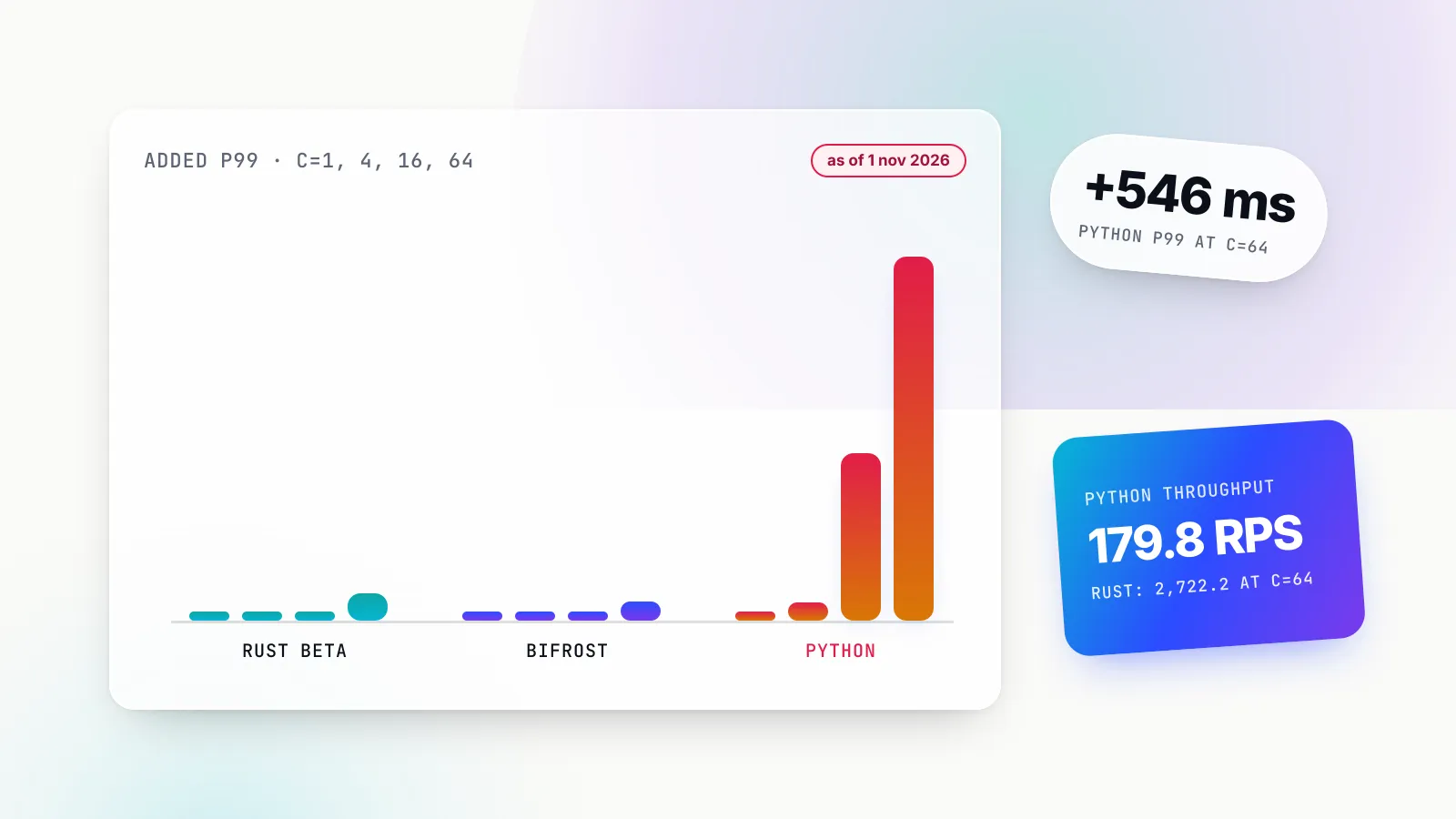
In LiteLLM's own sweep the Python LiteLLM proxy adds 546 ms of p99 at c=64 and serves 179.8 RPS, and main:latest still runs chat routes on Python.
Explainer
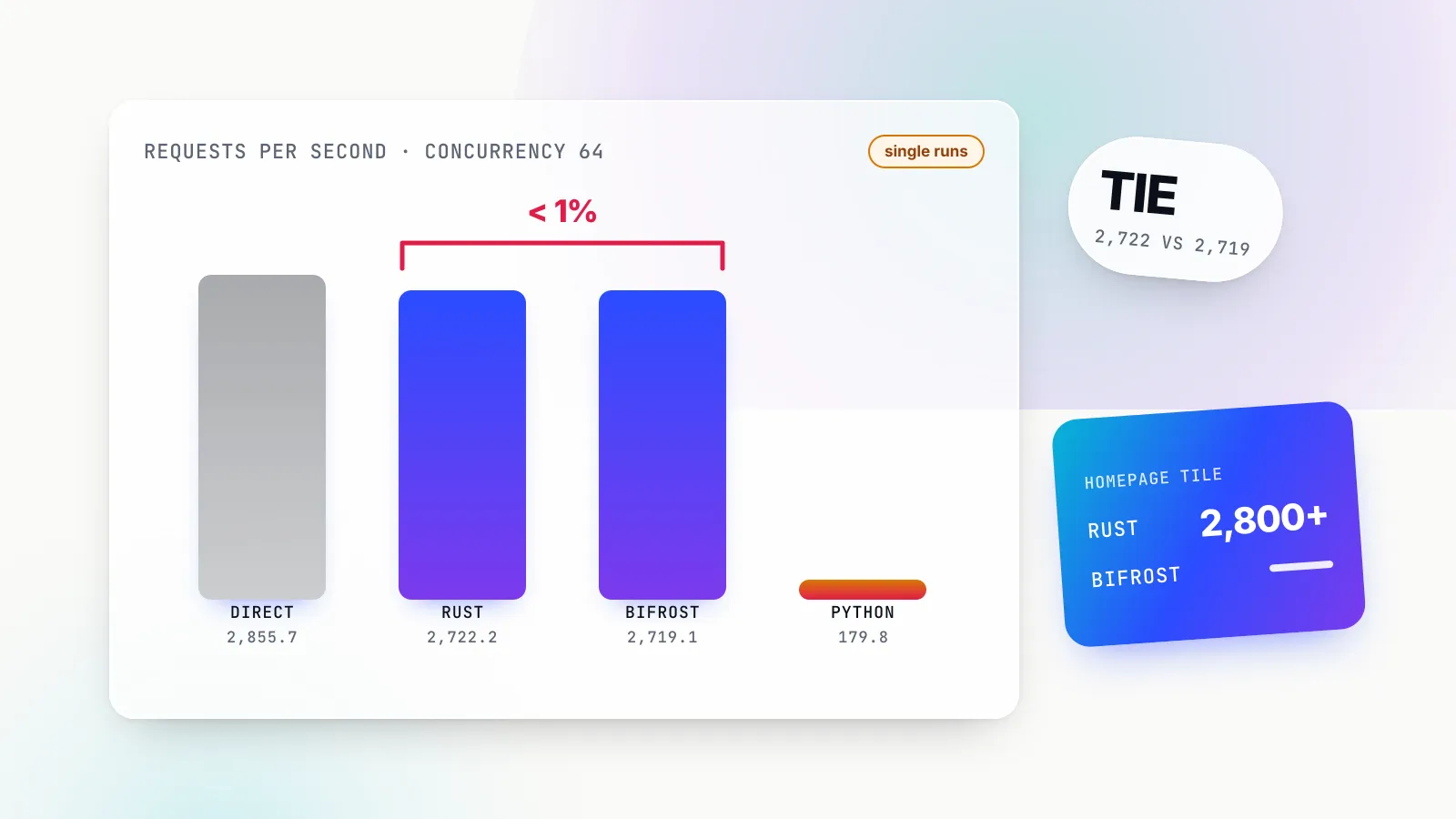
Throughput vs latency: why LiteLLM Rust and Bifrost tie at 2,722 vs 2,719 RPS
Throughput vs latency for LLM gateways: why 2,722 vs 2,719 requests per second is a tie, how RPS and p99 interact, and how to read a throughput tile.
Explainer
What Google's Deep Review can check in a technical document
Automated critique is useful when a flagged issue becomes a checkable claim. A practical guide to mathematical gaps, experimental mismatches and the evidence behind the tool.
Survey
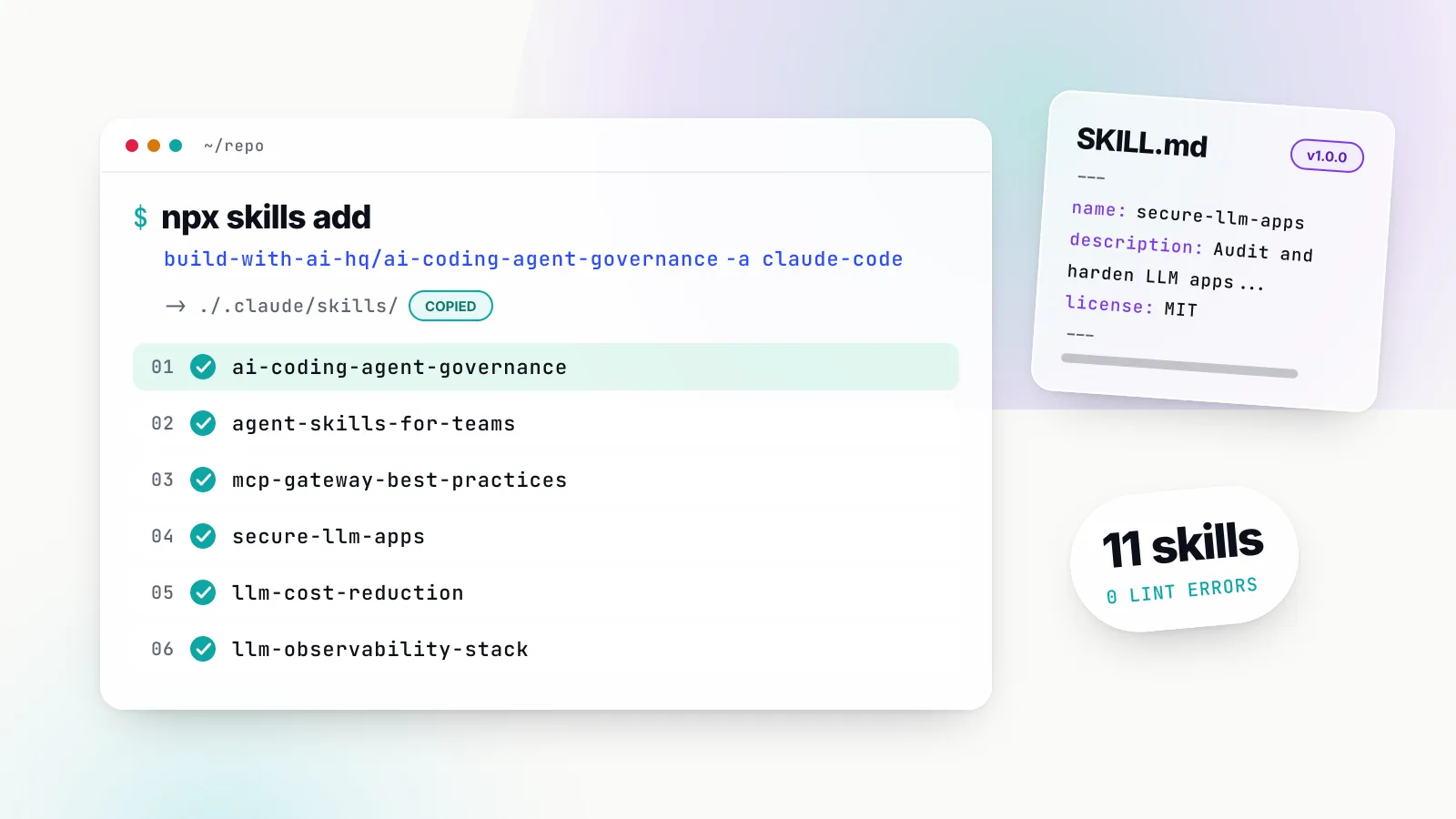
Best Claude Code skills in 2026: 11 tested and ranked for production AI teams
The best Claude Code skills for teams shipping production AI, test-installed on 28 October 2026: governance, cost, security, MCP and observability, plus five Anthropic and Vercel picks.
Explainer
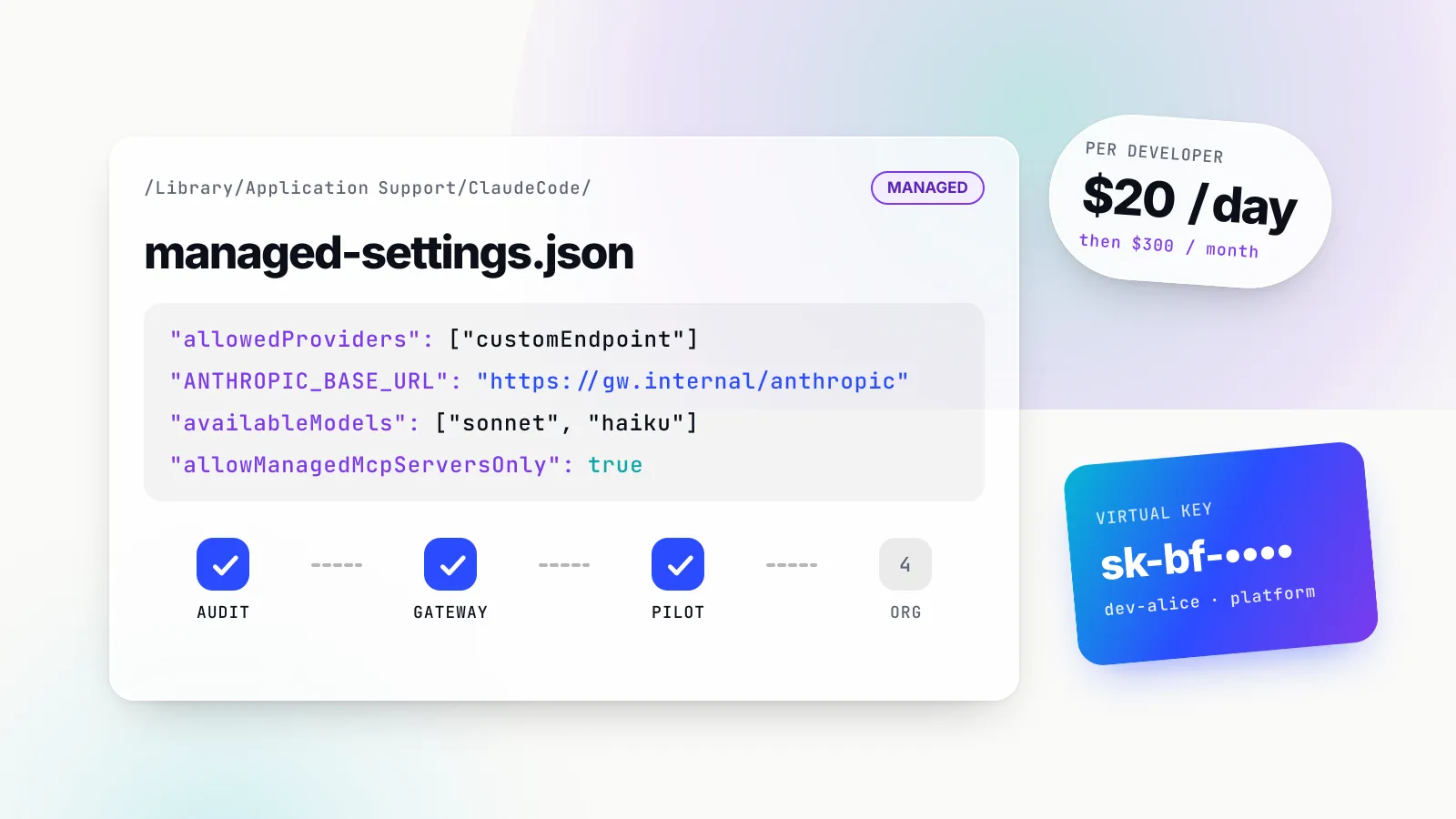
Claude Code enterprise rollout: a phased plan with budgets, managed settings and logs
How to roll Claude Code, Codex, Cursor and Copilot out to an engineering organisation: managed-settings.json, per-developer budgets, Bedrock residency, MCP allowlists, CI keys.
Analysis
GPT-6.1 Terra and the shift from reading screens to acting on them
Terra targets visual reasoning and computer use. Four different task types explain why recognising a screen is only the start of useful application work.
Explainer
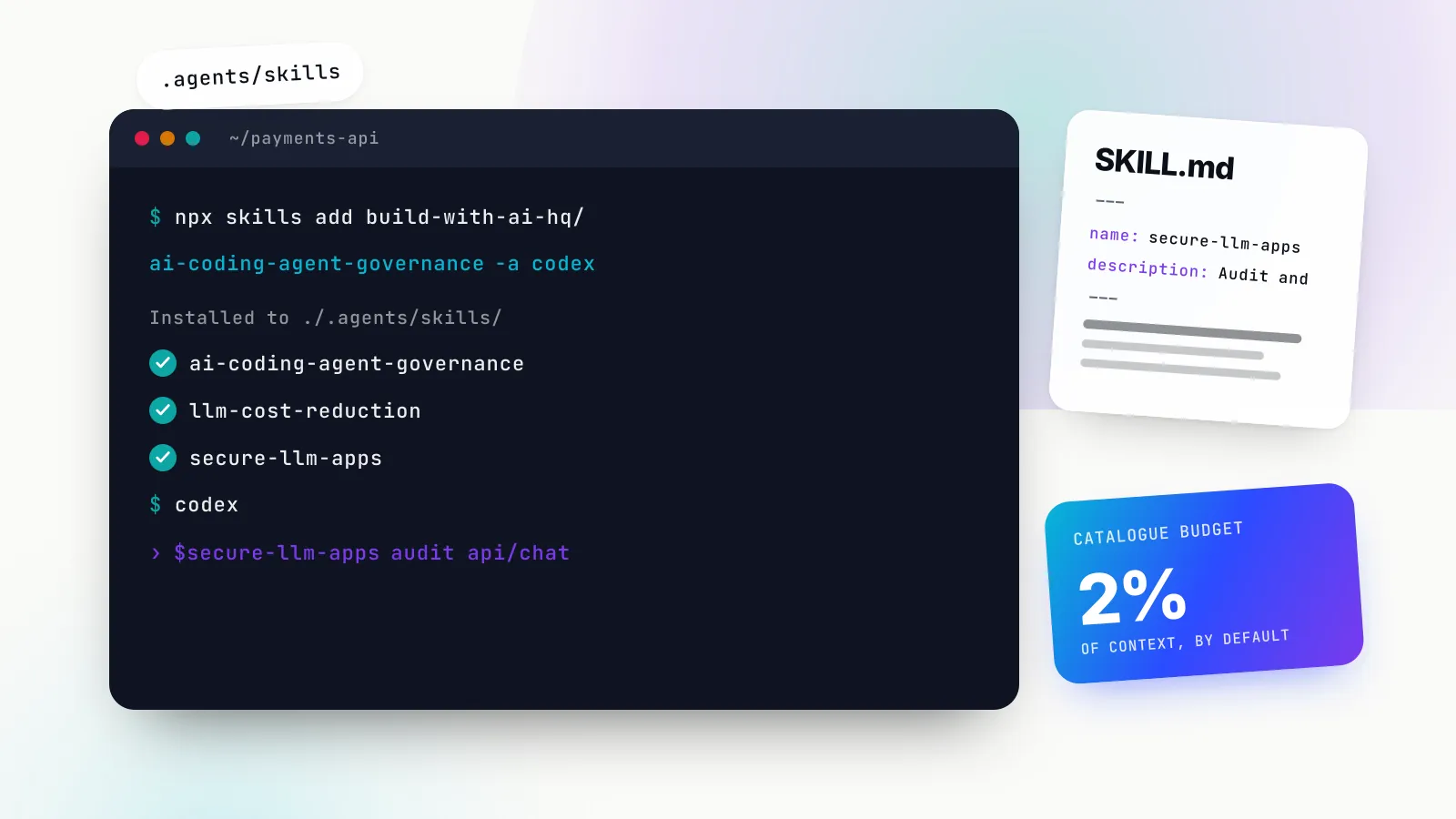
Codex skills: how Agent Skills work in OpenAI Codex, and which ones to install
Where OpenAI Codex discovers skills, how $skill and implicit invocation work, how skills differ from AGENTS.md, and how to add skills to Codex with npx skills add -a codex.
Explainer
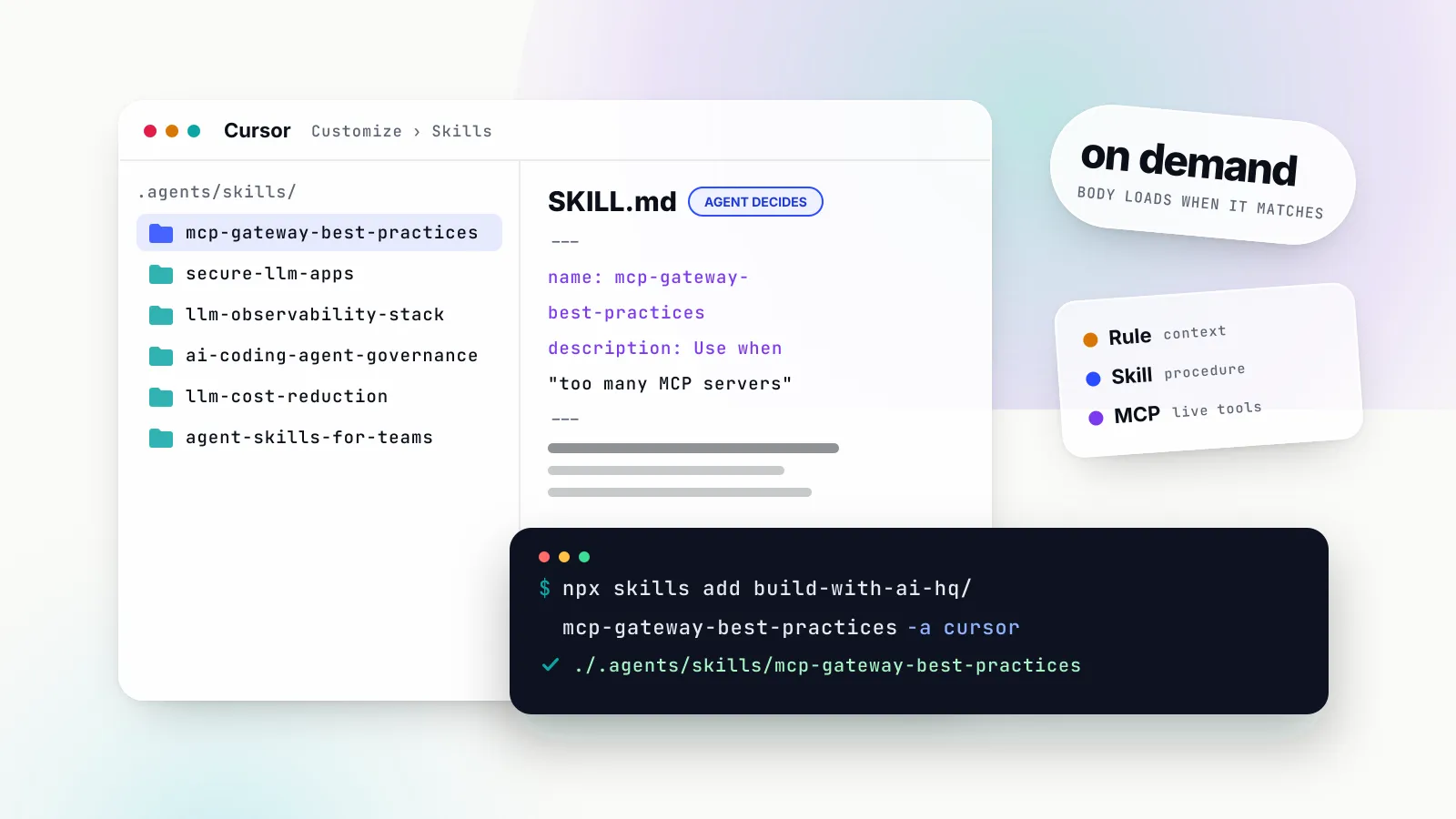
Cursor skills: how Agent Skills work in Cursor, and the six worth installing
How Cursor skills work as of October 2026: where SKILL.md folders live, how the agent picks one, rules vs skills vs MCP, and how to install skills with npx skills add.
Analysis
Why OpenAI rebuilt the machinery behind Git
Coding agents multiply branches, pushes and checkouts. Pando's design shows why source-control capacity depends on coordination and reuse as much as storage.
Explainer
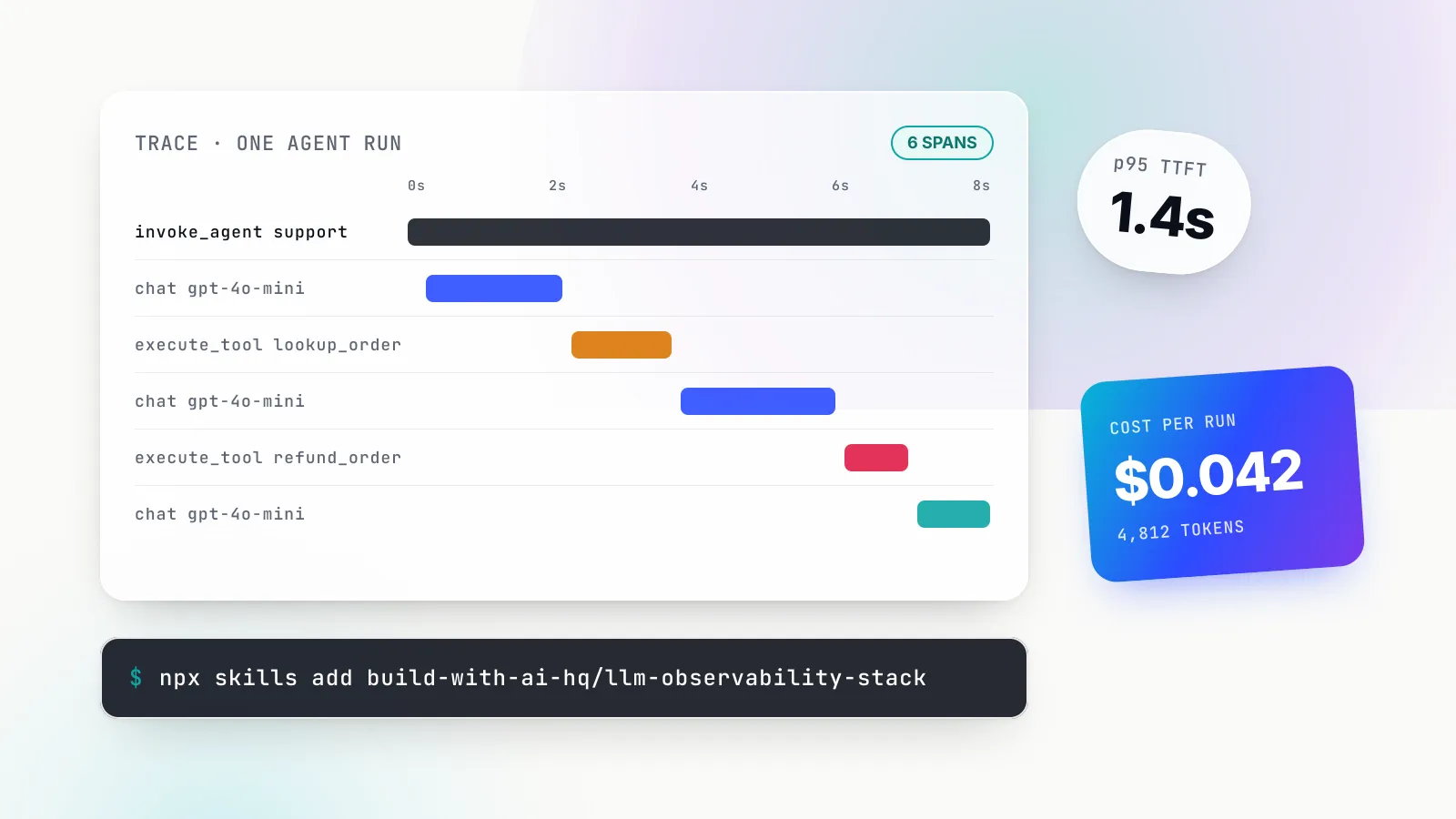
LLM observability: what to capture, how to trace agents, and which tools fit
A working guide to LLM observability: the per-call record, OpenTelemetry GenAI conventions, agent traces, PII redaction, Prometheus alerts, production evals and the tools for each job.
Explainer
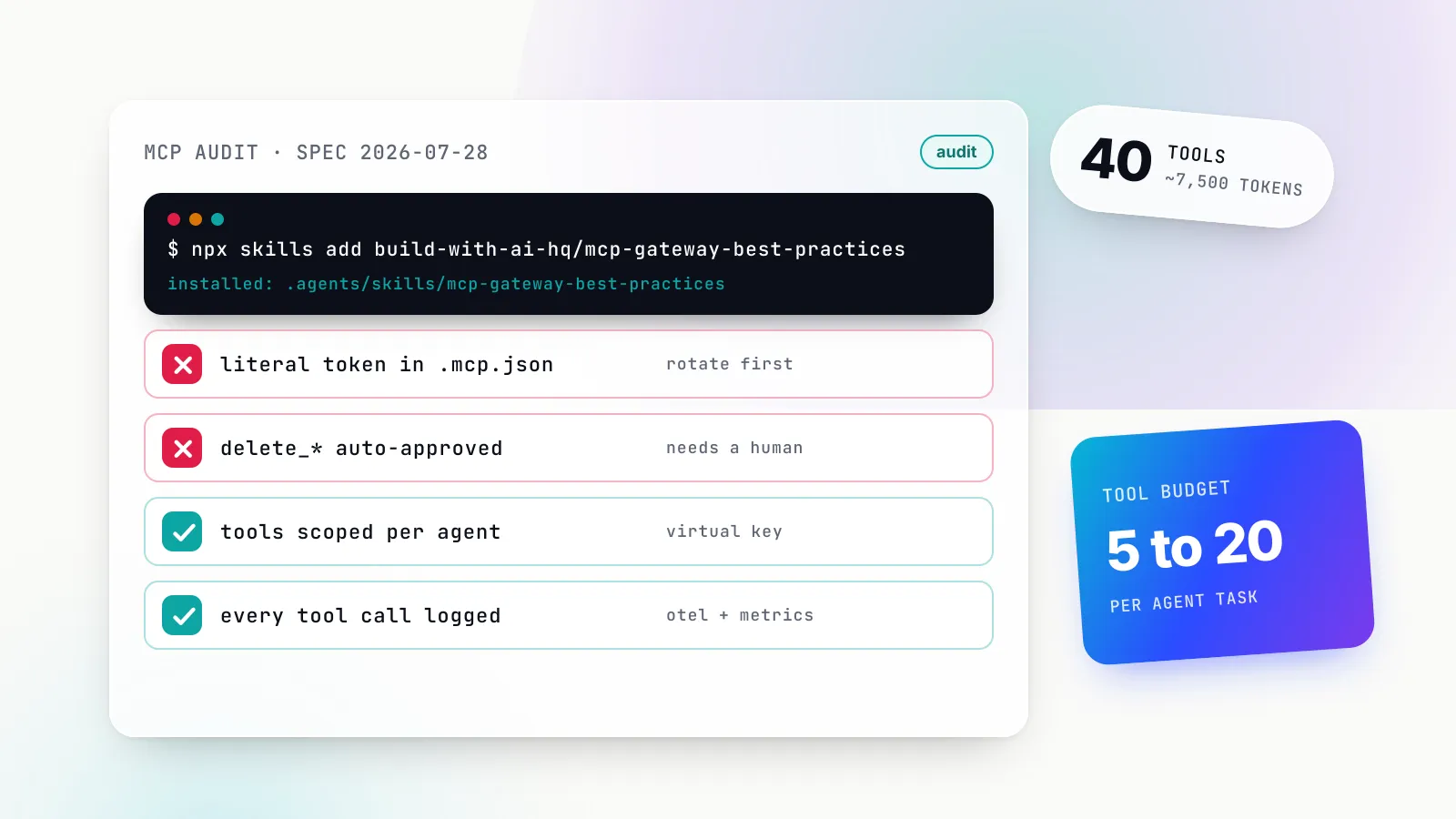
MCP best practices: tool budgets, permissions and approvals for real agent teams
Ten MCP best practices for the 2026-07-28 spec, each with a bad and good example and a check: tool budgets, naming, least privilege, approvals, transports, logs and tests.