Format
Explainers
Plain-language guides to concepts and techniques. Every explainer published by GenAI Brief, selected across topics.
44 stories
ResearchExplainer
Agent memory in files: what Anthropic's dreaming experiments show
Anthropic's tests favour stating what memory is for, checking notes against transcripts offline and one writer per page. The wiki gain is narrower.
ModelsExplainer
Mistral Large 4 open weights: free to run in-house, licensed to resell
The licence turns on whether third parties control the model, not company size. vLLM validates 610 GB of NVFP4 weights on four GB300s, or FP8 on two H200 nodes.
ToolsExplainer
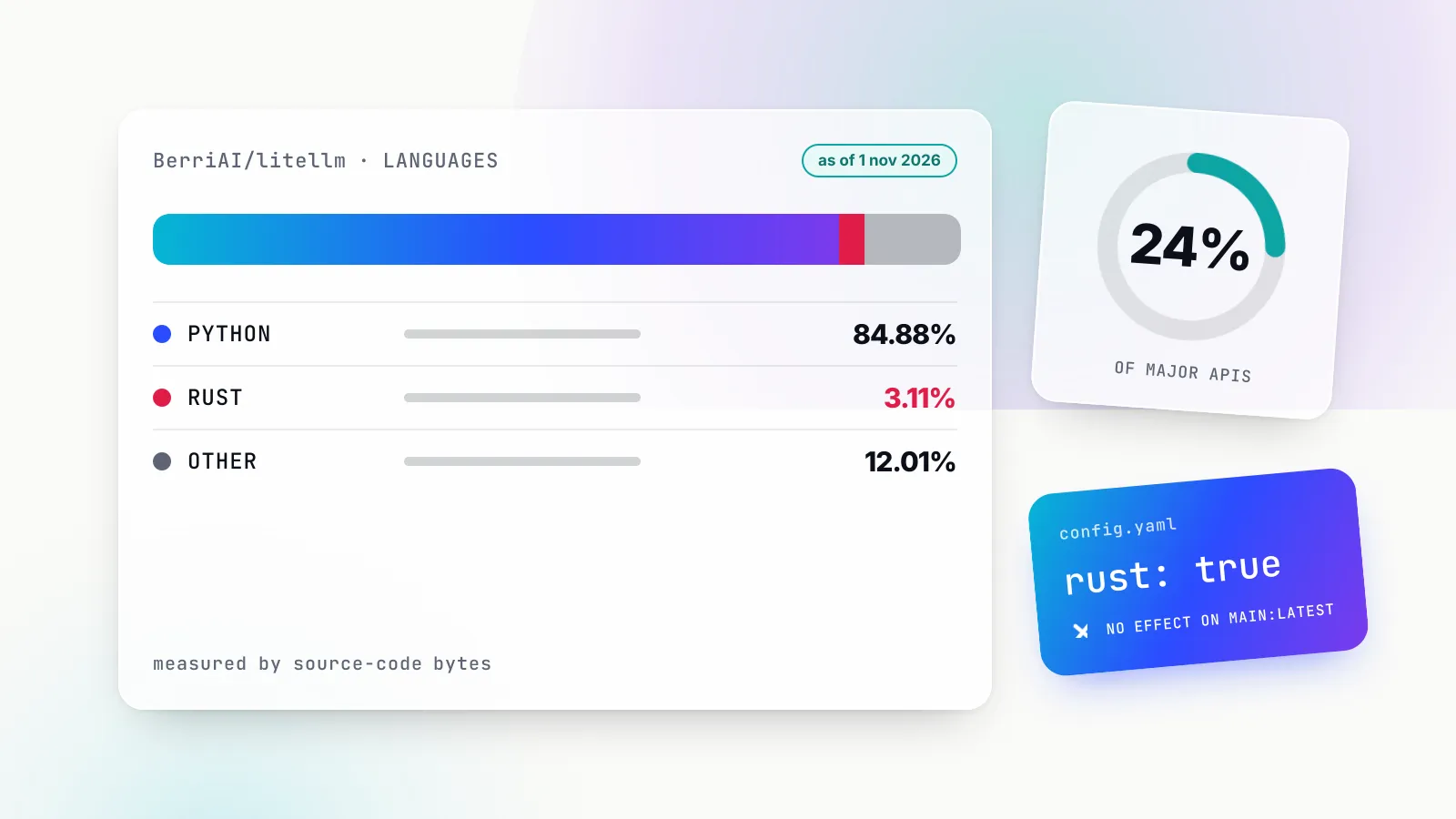
Is LiteLLM written in Rust? What the codebase and migration tracker show
LiteLLM Rust, checked: the repo is 3.11% Rust, the migration tracker shows 24% of Major APIs, and Chat Completions still runs on Python.
ToolsExplainer
OpenAI's Agents API now lets a model approve agent actions inside a tighter sandbox
auto_review routes supported shell, file, network and MCP approval requests to an OpenAI-managed reviewer model. Browser sign-in stays with your app; review costs extra.
ToolsExplainer
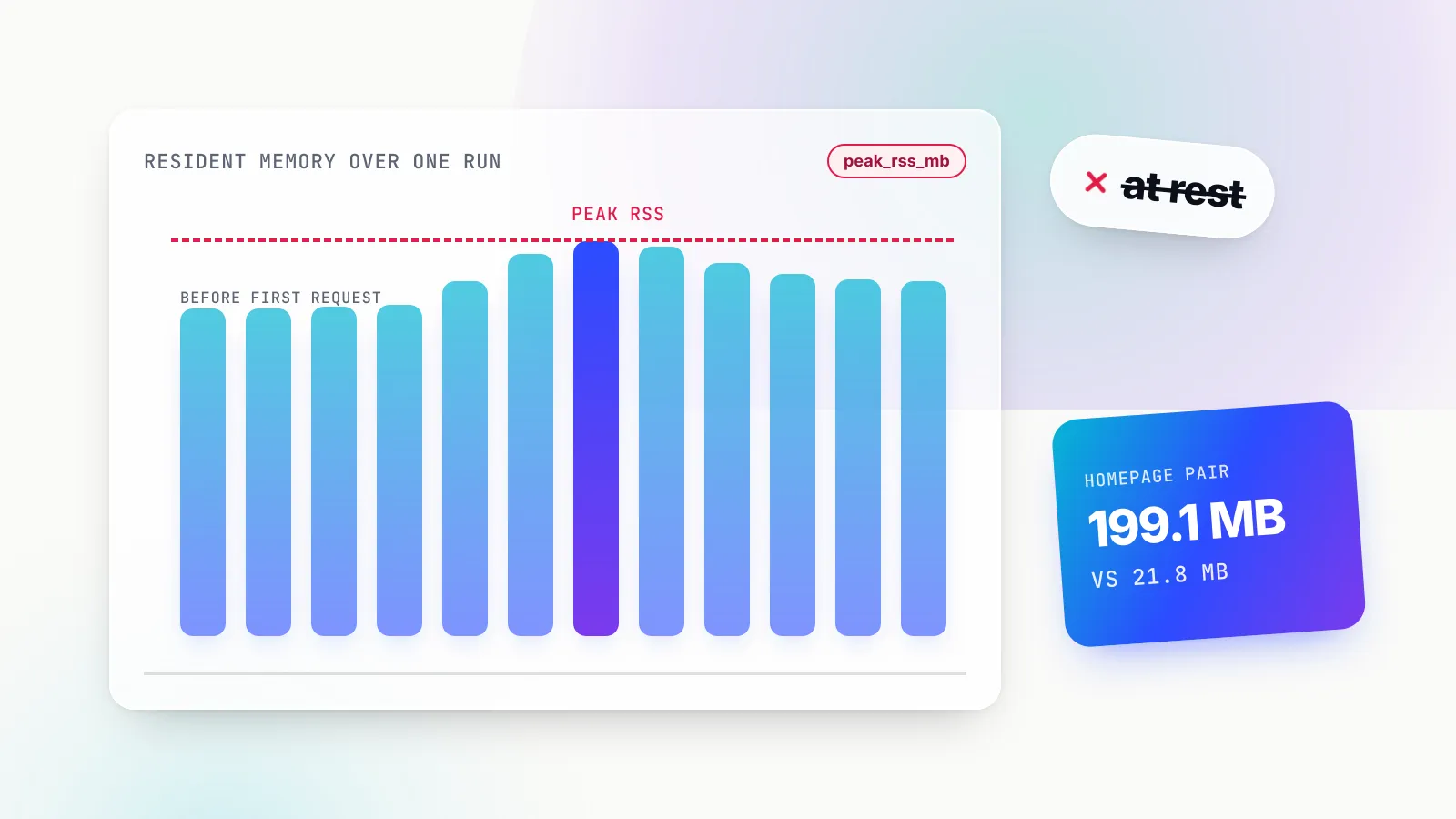
Peak RSS vs memory at rest: reading LiteLLM's '9x less memory' figure
LiteLLM's homepage labels its memory figure 'memory at rest', but the data is peak RSS. What the files show, why Bifrost sat near 282 MB, and how to read RSS.
ToolsExplainer
What Google's Deep Review can check in a technical document
Automated critique is useful when a flagged issue becomes a checkable claim. A practical guide to mathematical gaps, experimental mismatches and the evidence behind the tool.
ToolsExplainer
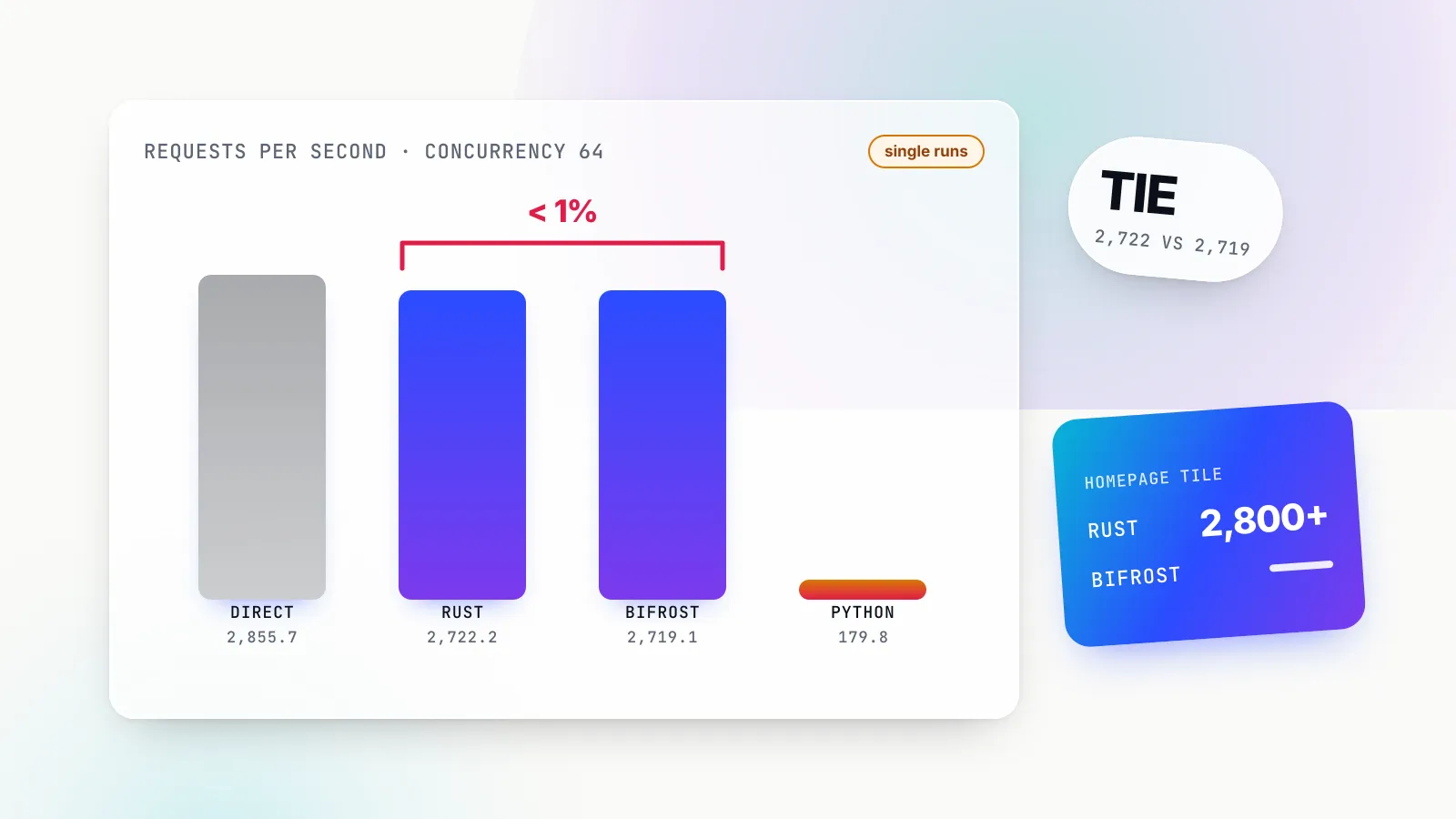
Throughput vs latency: why LiteLLM Rust and Bifrost tie at 2,722 vs 2,719 RPS
Throughput vs latency for LLM gateways: why 2,722 vs 2,719 requests per second is a tie, how RPS and p99 interact, and how to read a throughput tile.
ResearchExplainer
Can an AI response prove which model produced it?
FlashProve makes model identity a checkable computation. A request-by-request guide to what the proof establishes, what it costs and where trust remains.
ToolsExplainer
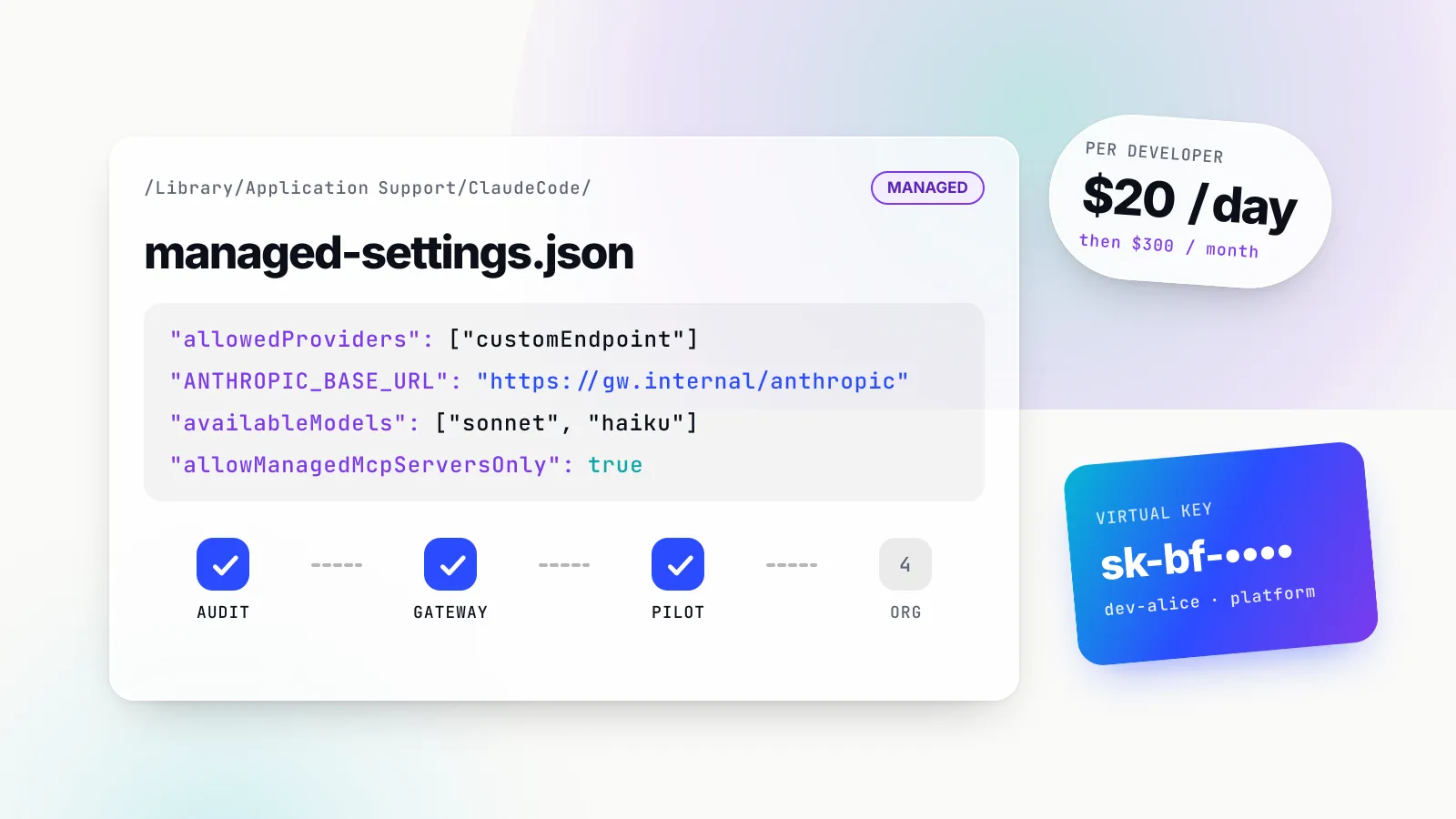
Claude Code enterprise rollout: a phased plan with budgets, managed settings and logs
How to roll Claude Code, Codex, Cursor and Copilot out to an engineering organisation: managed-settings.json, per-developer budgets, Bedrock residency, MCP allowlists, CI keys.
ResearchExplainer
Why Google wants language models to sleep between tasks
Periodic consolidation offers a different answer to stale knowledge. The important questions are what persists, what changes and whether older capabilities survive.
ToolsExplainer
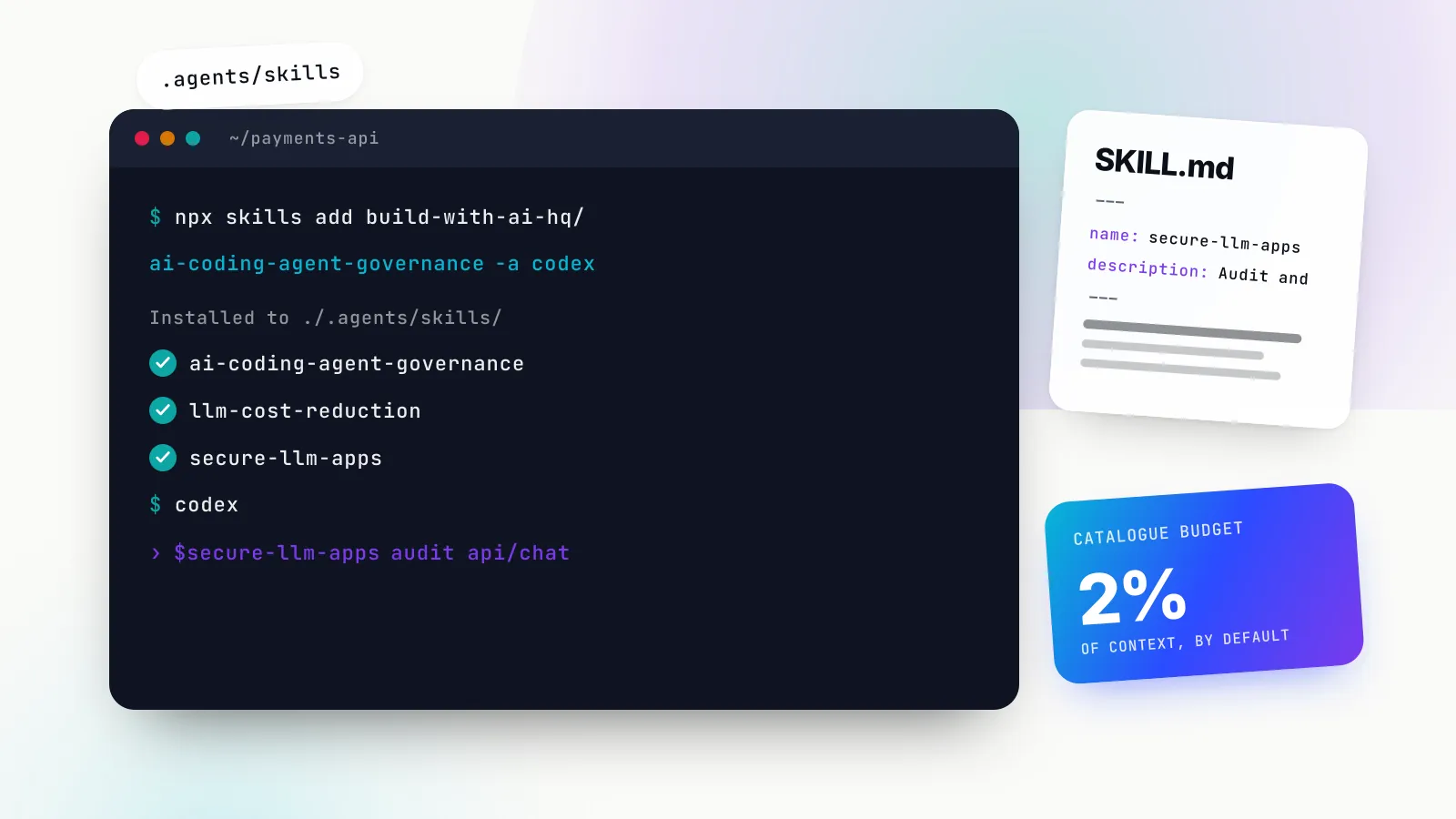
Codex skills: how Agent Skills work in OpenAI Codex, and which ones to install
Where OpenAI Codex discovers skills, how $skill and implicit invocation work, how skills differ from AGENTS.md, and how to add skills to Codex with npx skills add -a codex.
ToolsExplainer
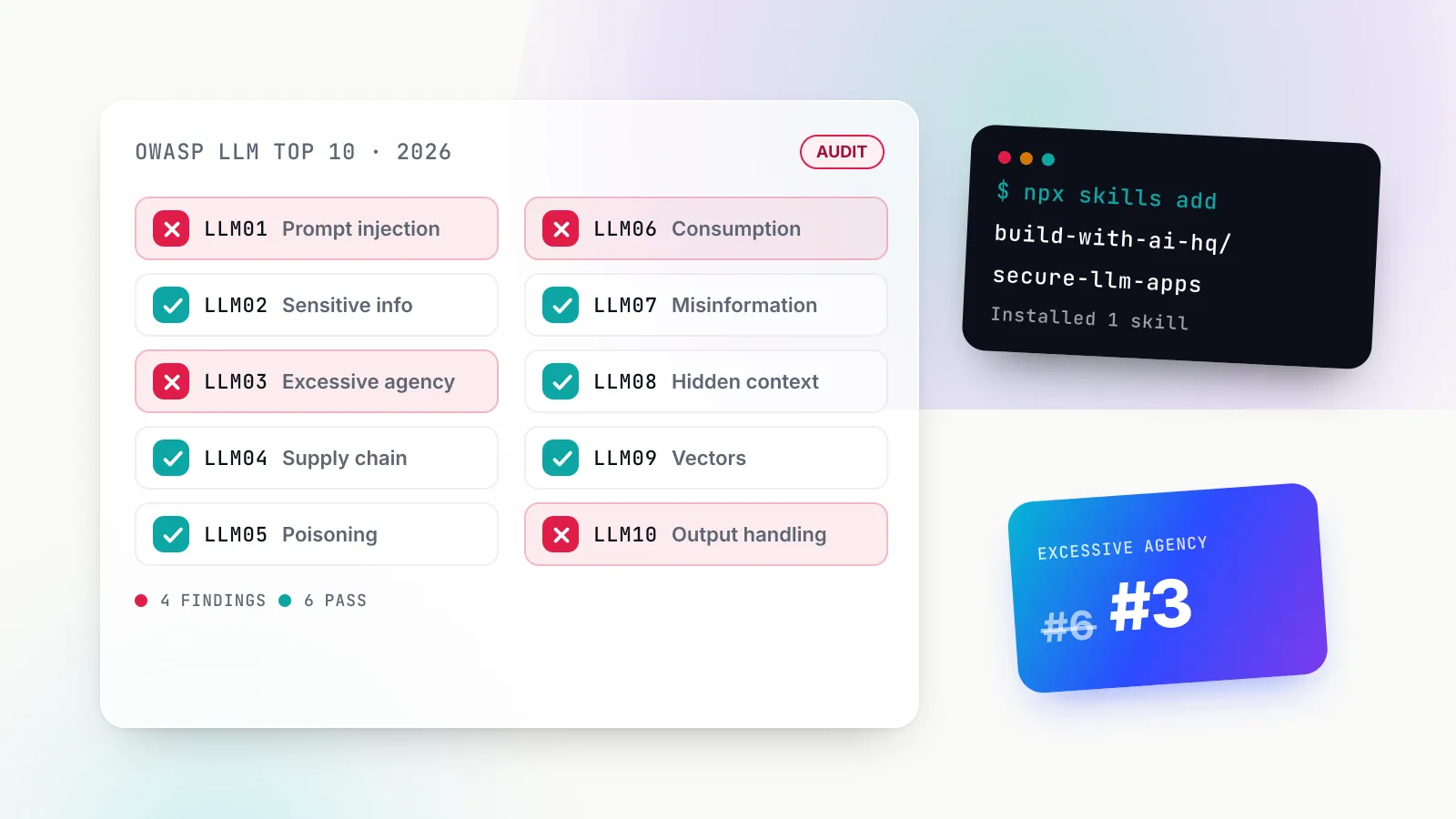
OWASP LLM Top 10 (2026): every risk, the vulnerable code and the fix
The 2026 OWASP LLM Top 10 reorders the list and renames one entry. Each risk with a vulnerable pattern, the Python or TypeScript fix, and an LLM security checklist.