Format
Explainers
Plain-language guides to concepts and techniques. Every explainer published by GenAI Brief, selected across topics.
44 stories · page 2 of 4
ToolsExplainer
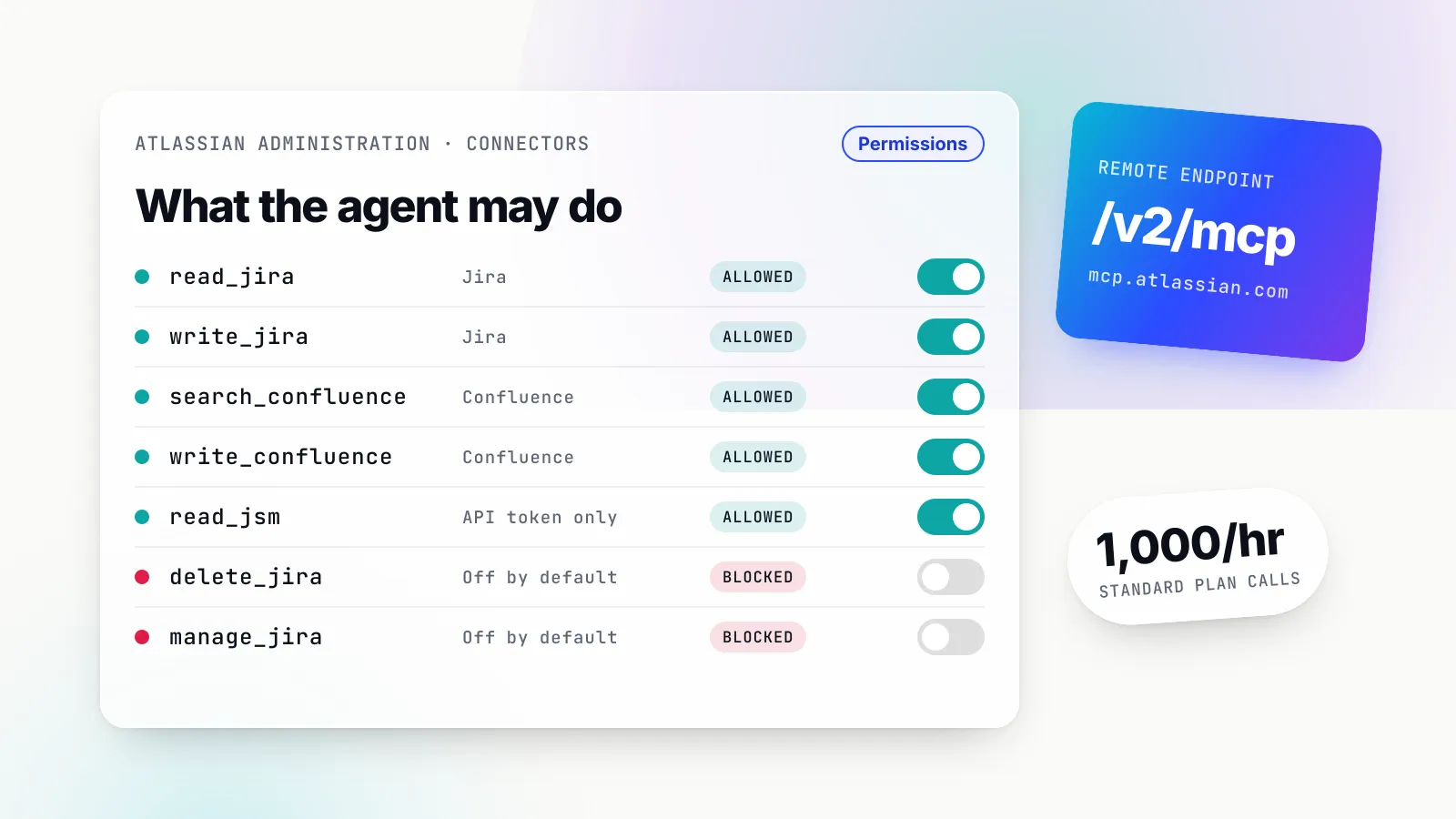
The definitive guide to Atlassian MCP: setup, auth, admin controls and limits
Atlassian's hosted MCP server gives AI clients Jira, Confluence, Bitbucket and more at mcp.atlassian.com/v2/mcp. How to connect it, how OAuth and API tokens differ, what admins control and where it stops.
ToolsExplainer
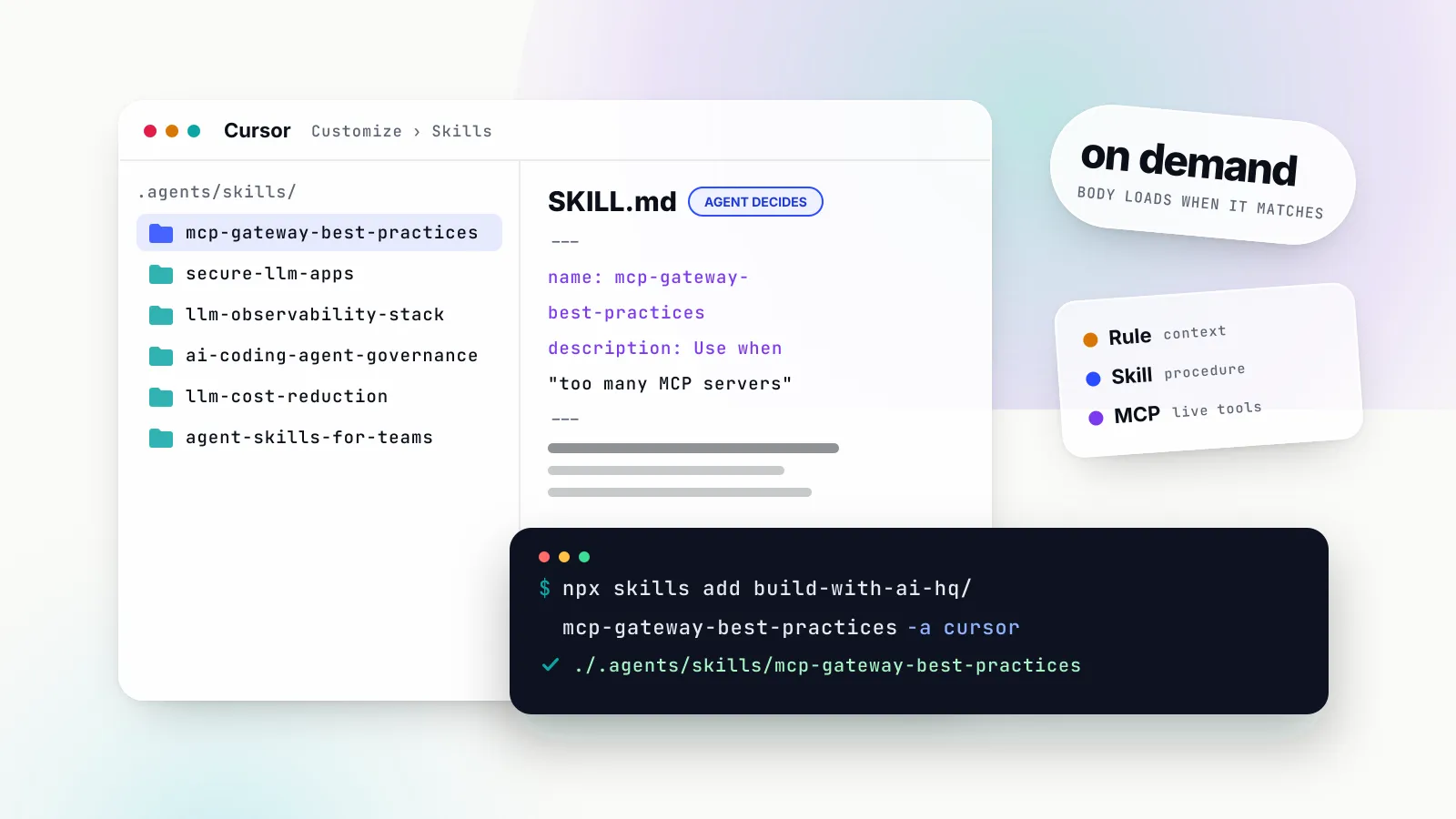
Cursor skills: how Agent Skills work in Cursor, and the six worth installing
How Cursor skills work as of October 2026: where SKILL.md folders live, how the agent picks one, rules vs skills vs MCP, and how to install skills with npx skills add.
ToolsExplainer
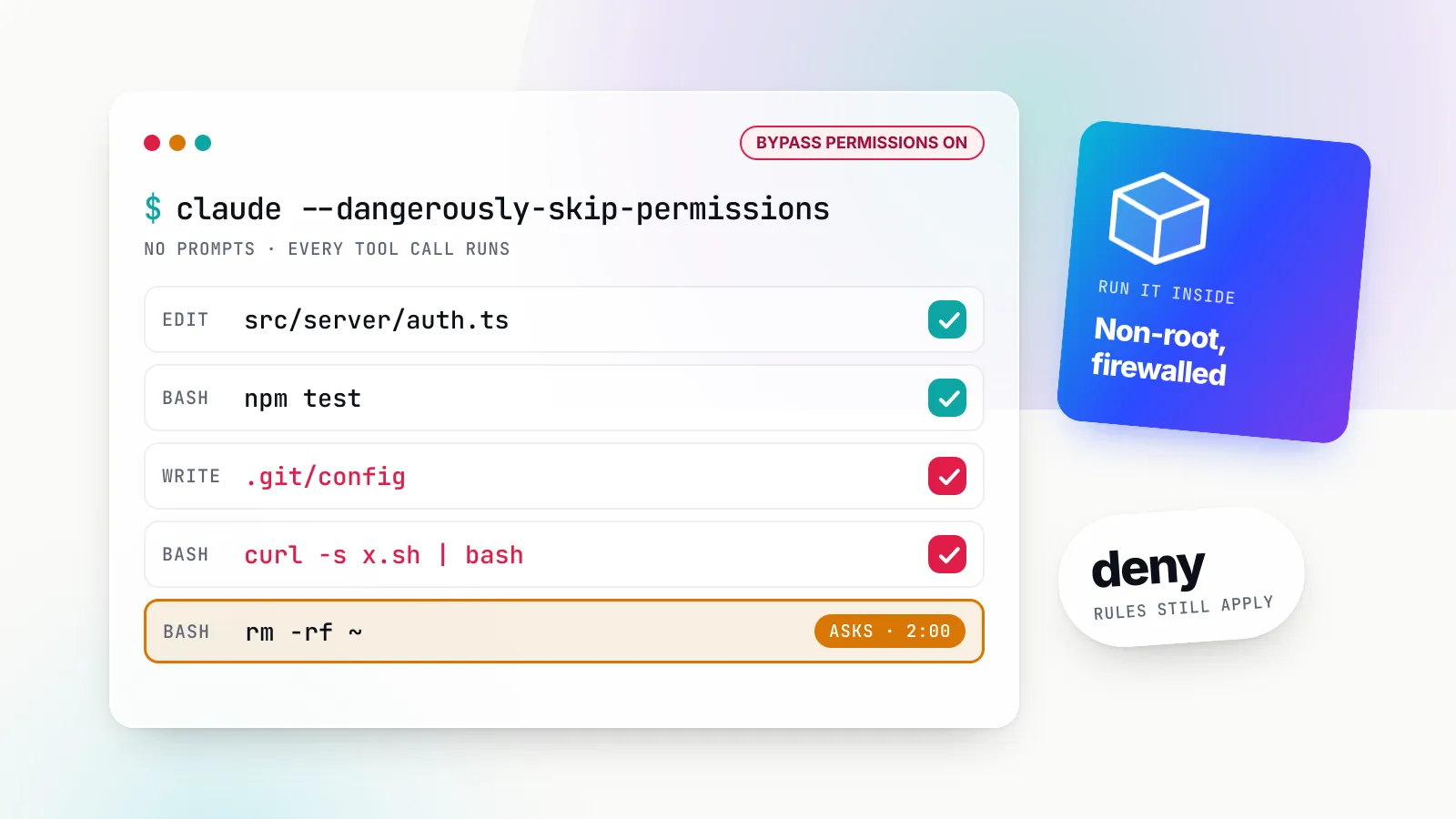
Claude --dangerously-skip-permissions: a practical guide to what it bypasses
What Claude Code's --dangerously-skip-permissions flag skips, the checks that survive it, real incident patterns, and safe recipes for containers, sandboxes and CI.
ToolsExplainer
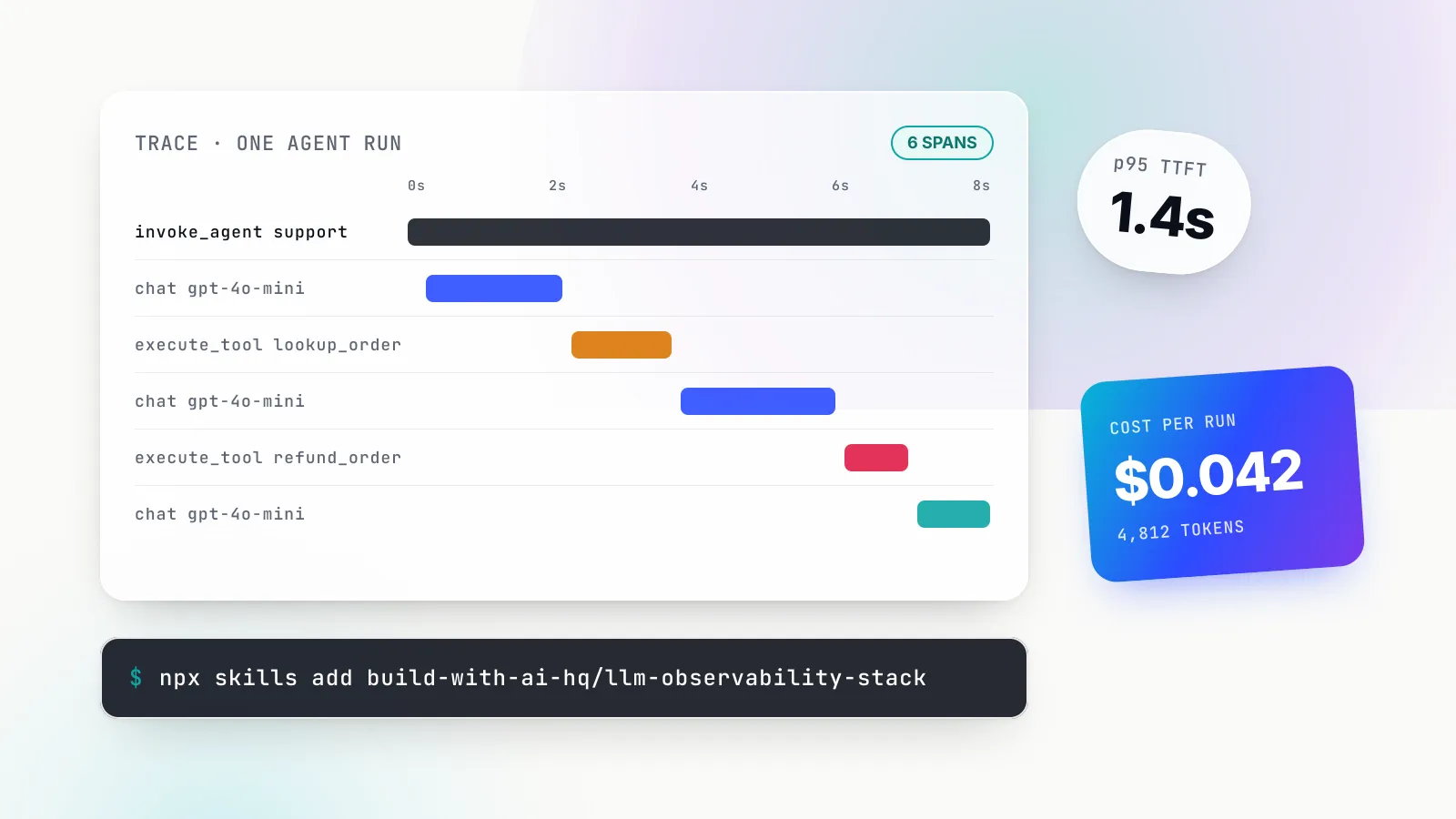
LLM observability: what to capture, how to trace agents, and which tools fit
A working guide to LLM observability: the per-call record, OpenTelemetry GenAI conventions, agent traces, PII redaction, Prometheus alerts, production evals and the tools for each job.
ToolsExplainer
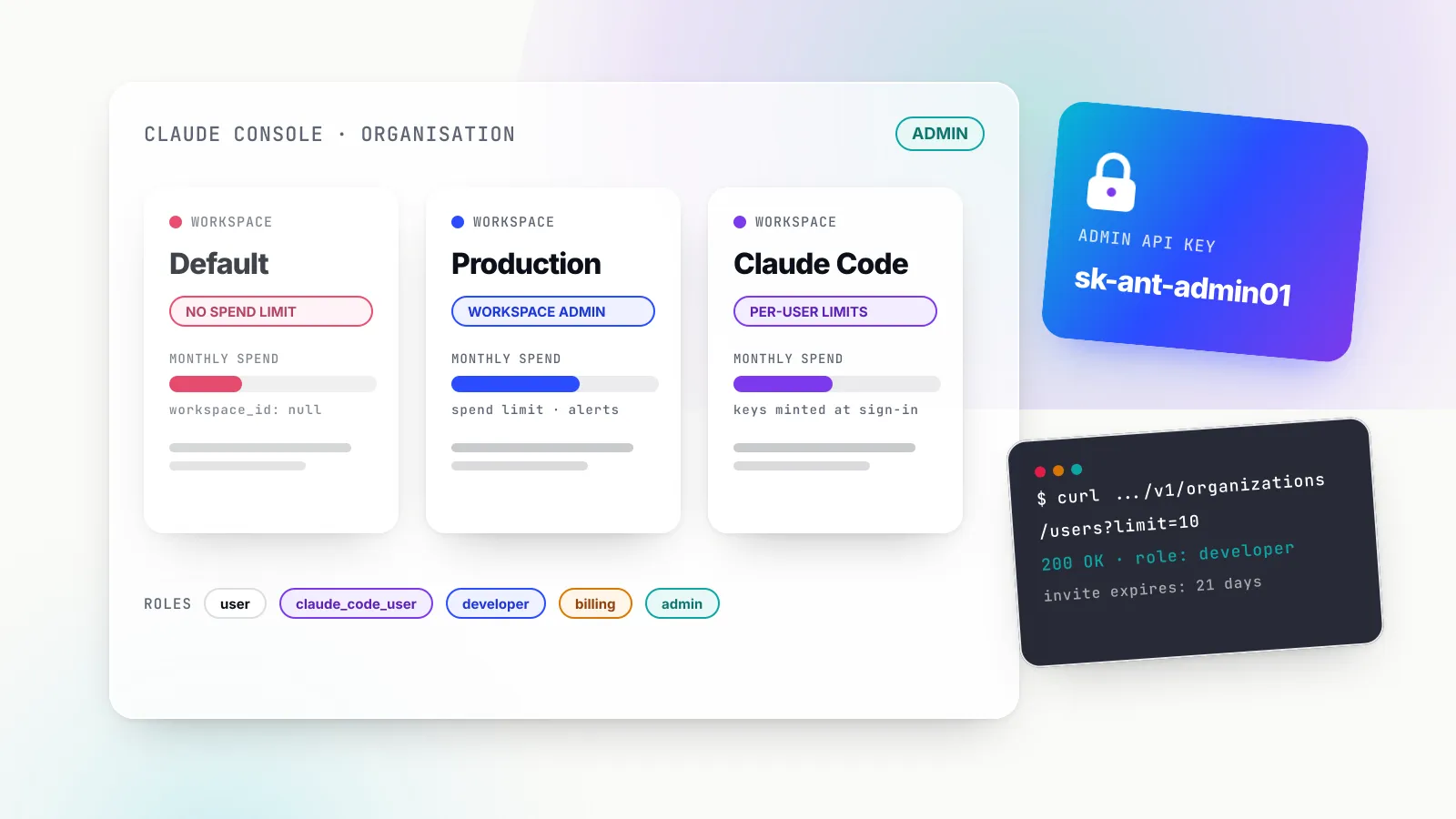
Claude API platform admin: roles, workspaces and the Admin API explained
How to administer the Claude Developer Platform: Console roles, workspaces and their limits, Admin API keys and curl calls, usage and Claude Code reports, SSO and data retention.
ToolsExplainer
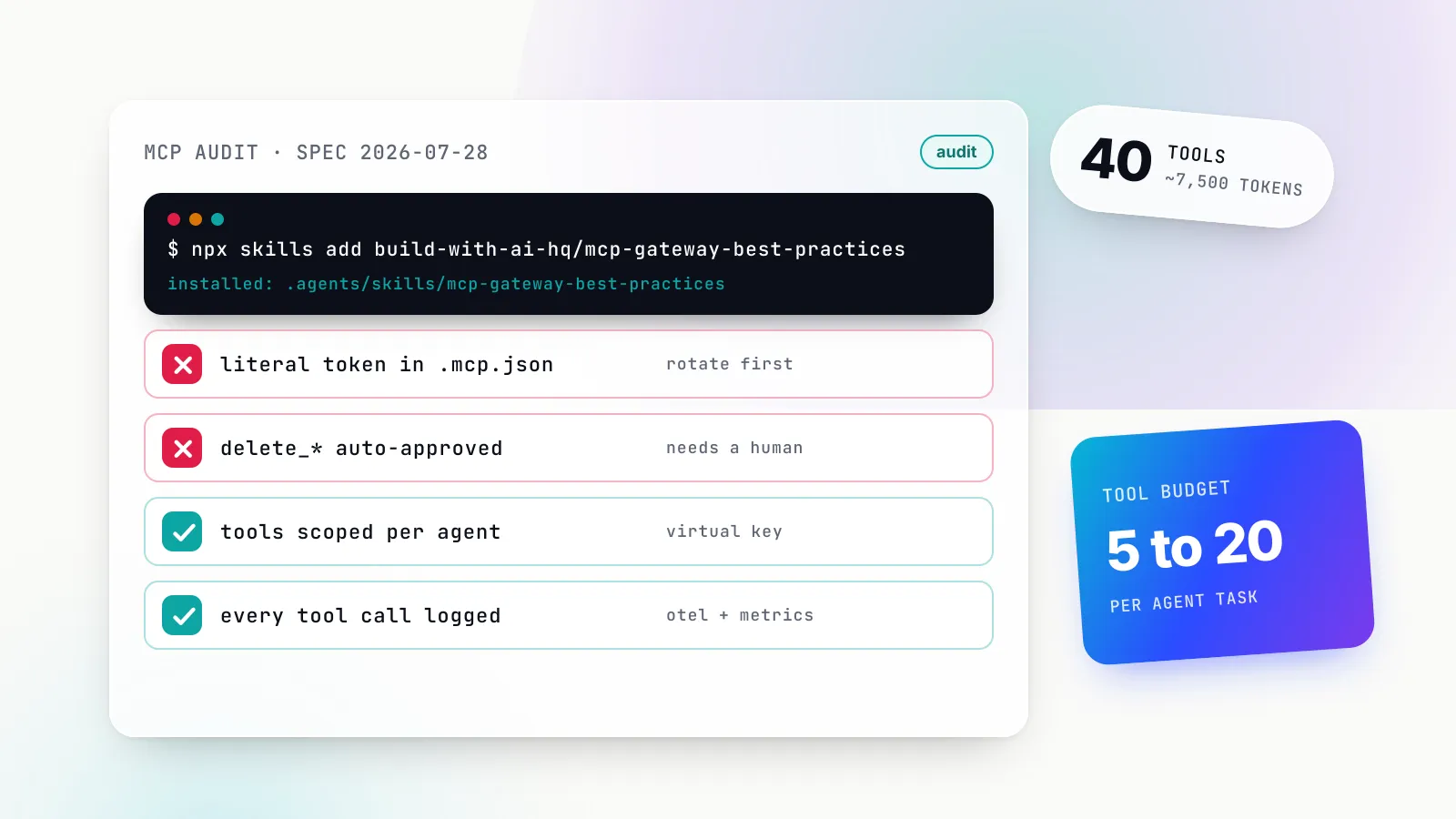
MCP best practices: tool budgets, permissions and approvals for real agent teams
Ten MCP best practices for the 2026-07-28 spec, each with a bad and good example and a check: tool budgets, naming, least privilege, approvals, transports, logs and tests.
ModelsExplainer
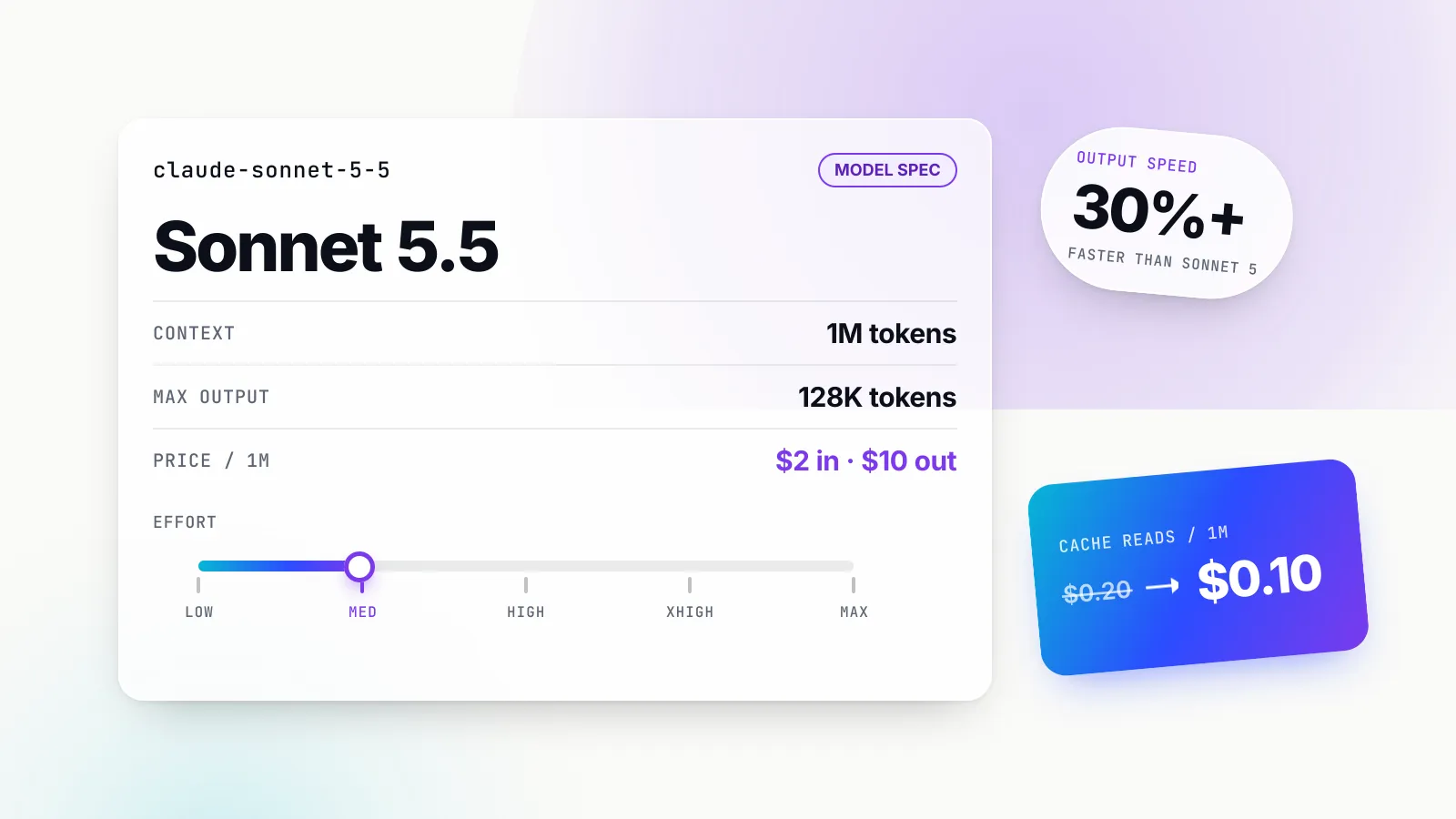
Claude Sonnet 5.5: a practical guide to price, effort, benchmarks and migration
Anthropic's mid-tier model costs $2 in and $10 out per million tokens with a 1M context. What changed from Sonnet 5, when to pick it over Opus 5.5 or Haiku 5.5, and how to migrate.
ToolsExplainer
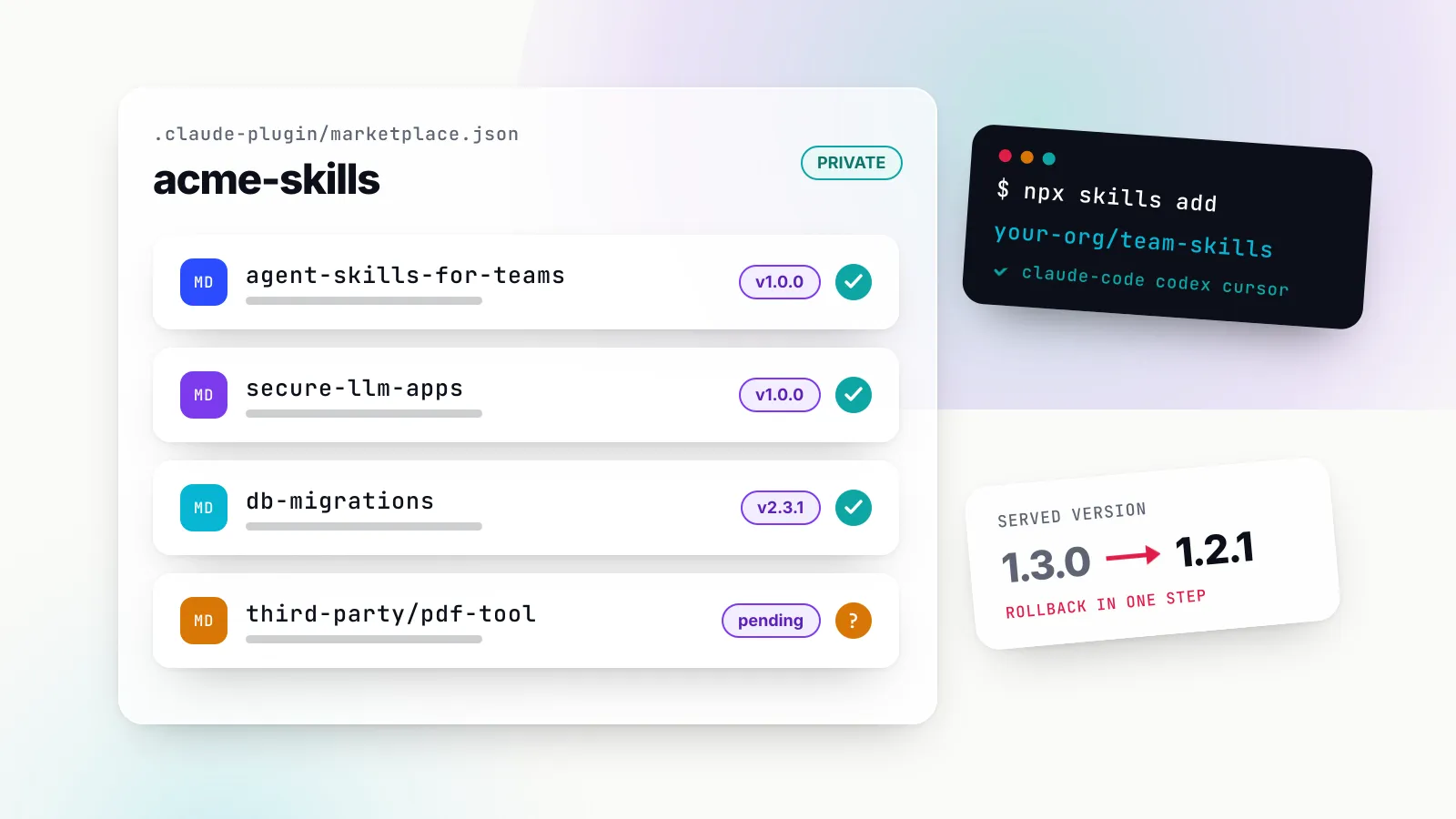
Claude skills marketplace: when to use public ones and when to run your own
A Claude skills marketplace is the catalogue your agents install skills from. How public ones work, and how to run a private one with versions, review and one-step rollback.
ToolsExplainer
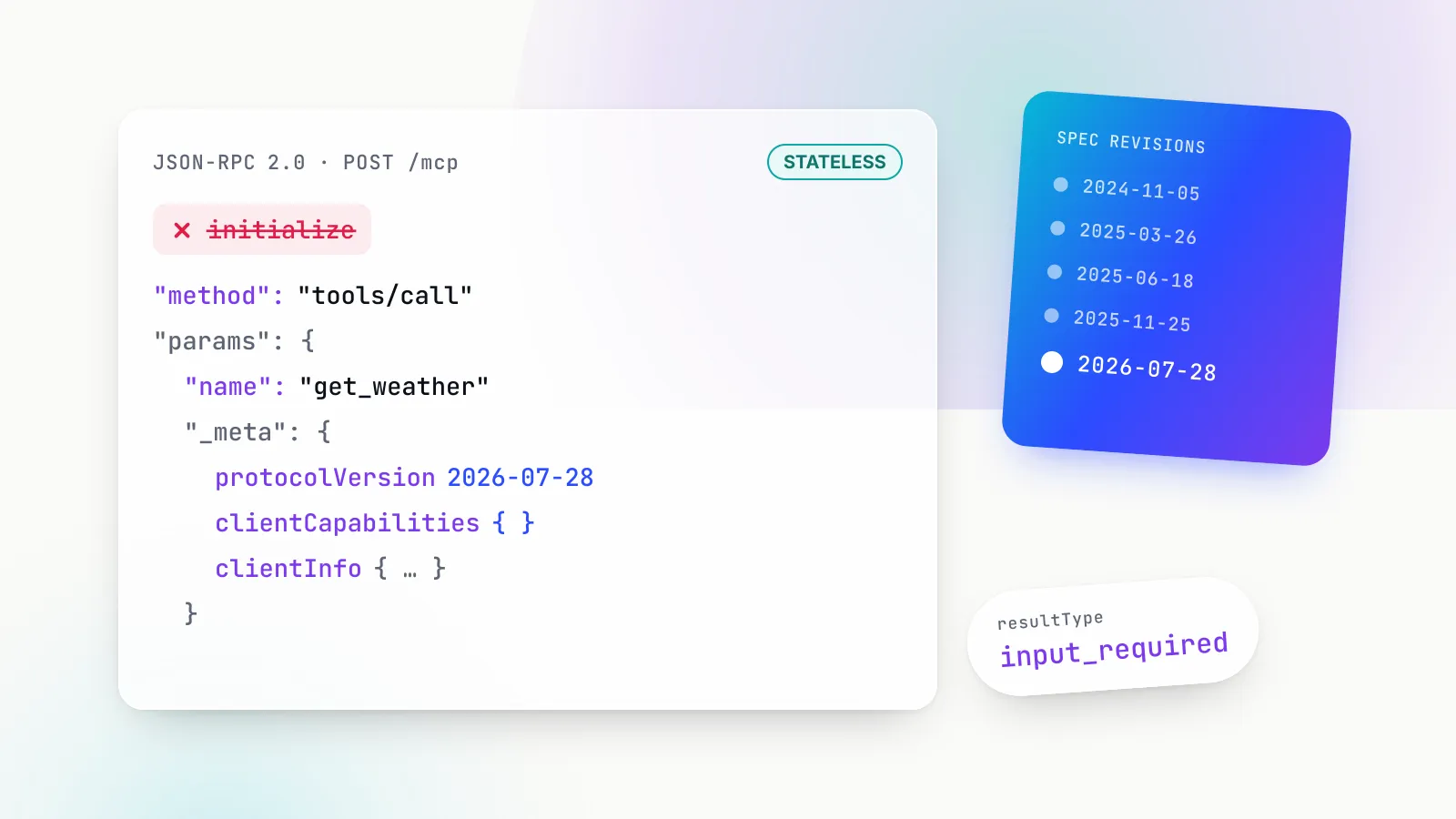
Model Context Protocol: the definitive guide to how MCP works in 2026
A spec-level reference to MCP: history and governance, every revision up to 2026-07-28, the stateless request model, each primitive, transports, extensions, SDK tiers and the limits.
ToolsExplainer
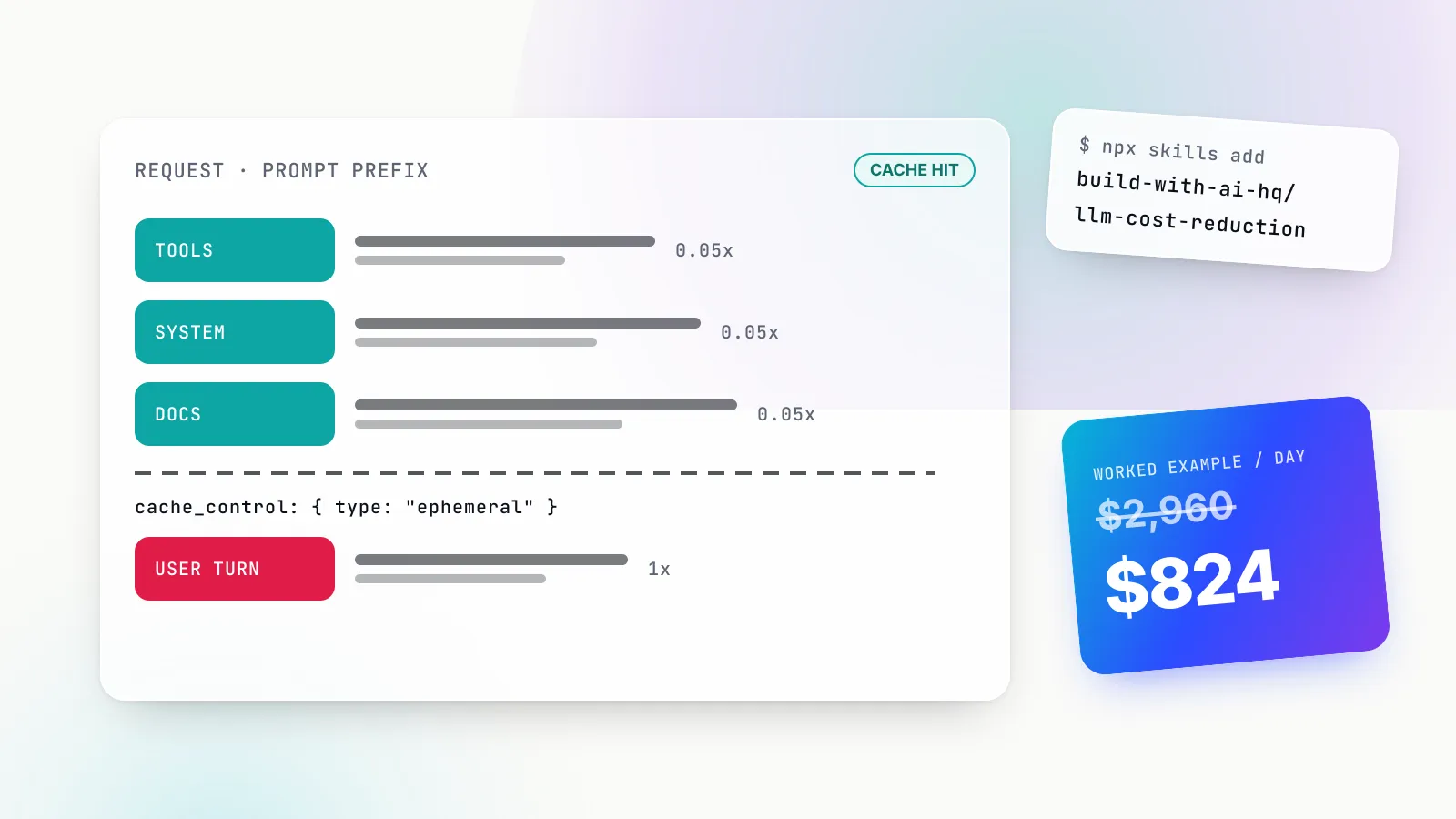
Prompt caching: how it cuts LLM costs at Anthropic, OpenAI and Gemini
Prompt caching bills a repeated prompt prefix at 5 to 10 percent of the input rate. Current provider numbers, why caches miss, a worked cost example and the rest of the LLM cost playbook.
ToolsExplainer
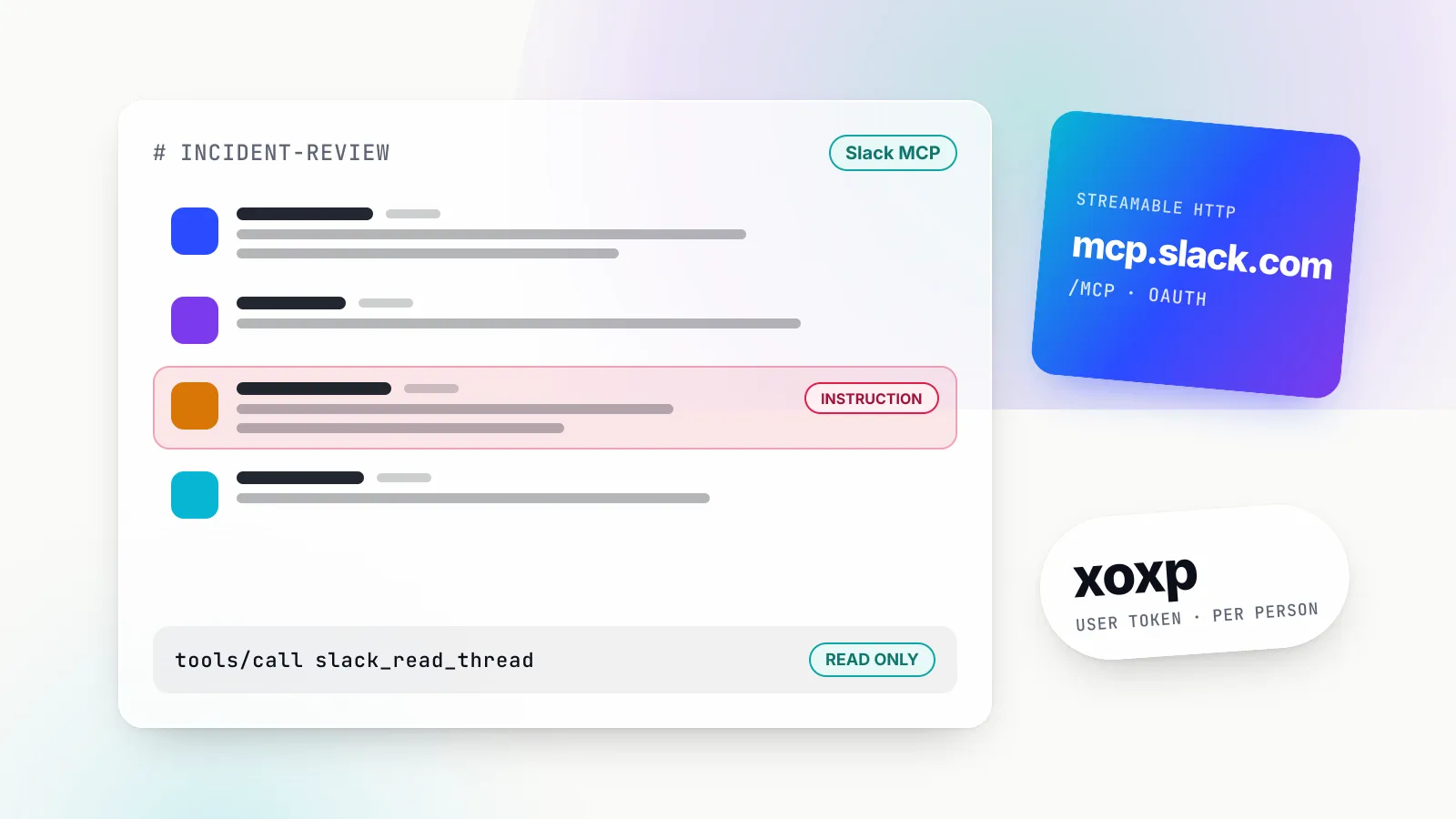
Slack MCP server: the definitive guide to tools, setup and security
Slack's hosted MCP server lets Claude, Cursor and coding agents search, read and post in Slack as the signed-in user. Tools, scopes, setup, rate limits, risks and governance.
ToolsExplainer
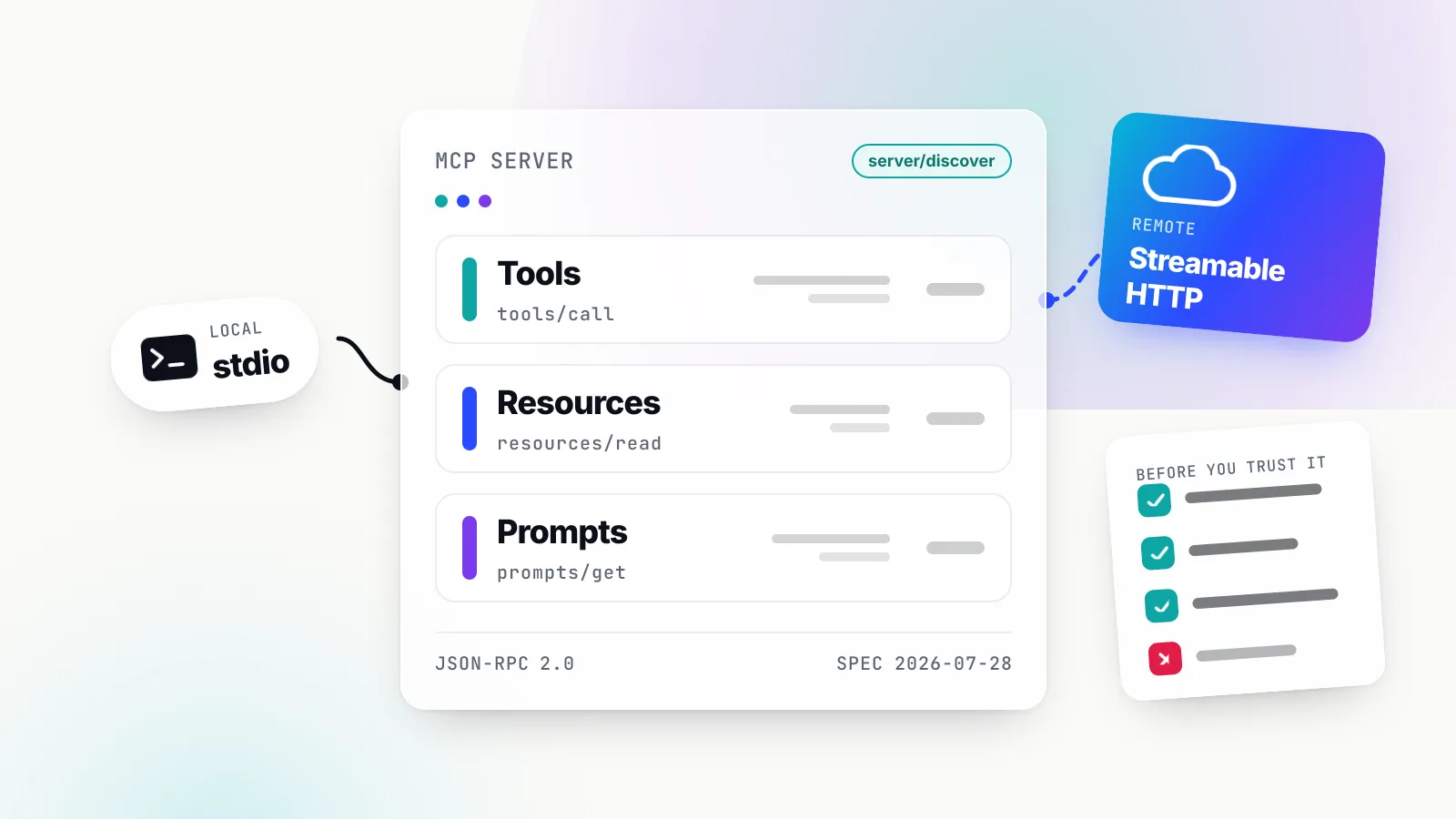
What is an MCP server? Meaning, anatomy and how to vet one
An MCP server is the program that hands an AI app its tools, resources and prompts. What it is and is not, stdio versus HTTP, a working server in TypeScript and Python, and the trust checks.