Topic
Benchmarks
15 stories on this topic, newest first.
Claude Fable 5.2 for builders: when to route past Opus 5.5, and what it costs
Fable 5.2 costs $8/$40 per million tokens, twice Opus 5.5. What Anthropic's data says it buys, plus fast mode, advisor rules and the preserved-thinking break.
Gemini 4 Carbon goes public, and its introductory price ends 30 November
Google's strongest model costs $2/$10 per million tokens until 30 November, then $4/$20. How to budget the switch, what /swarm does, and the #1 claim today.
Copilot Fusion hands GitHub the model choice. Copilot access makes the budget the control
What GitHub's Fusion router and cross-repo projects change for engineering teams, how the benchmark claim checks out, and what credit-only Copilot access costs.
Muse Ember wants the subagent slot. Its list price matches Haiku and Luna
Meta's smallest Muse model lists at $0.10 in and $0.50 out, like its rivals. Cache rates, context tiers and a max-effort default decide what an executor costs.
ToolsExplainer
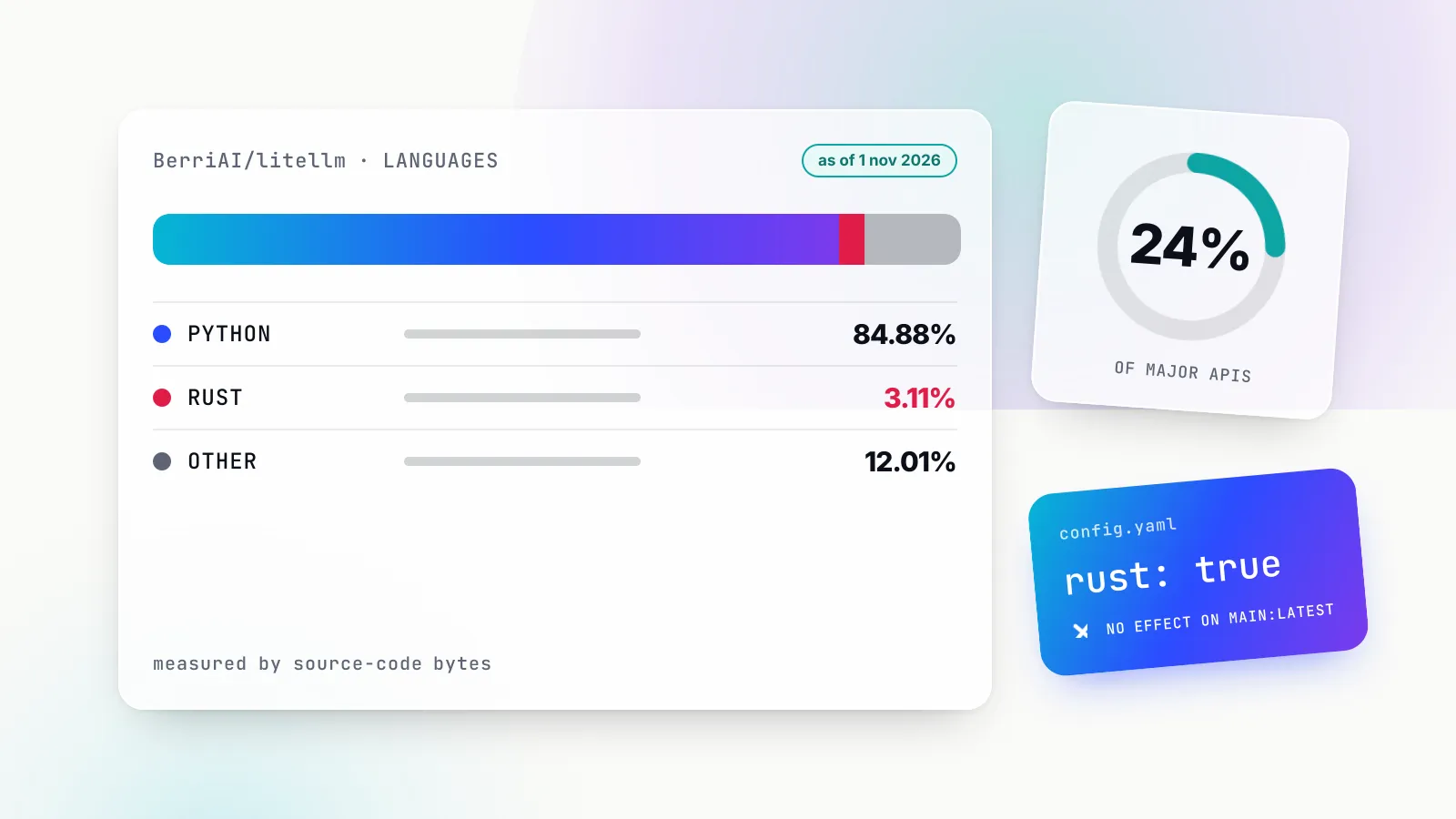
Is LiteLLM written in Rust? What the codebase and migration tracker show
LiteLLM Rust, checked: the repo is 3.11% Rust, the migration tracker shows 24% of Major APIs, and Chat Completions still runs on Python.
ToolsAnalysis
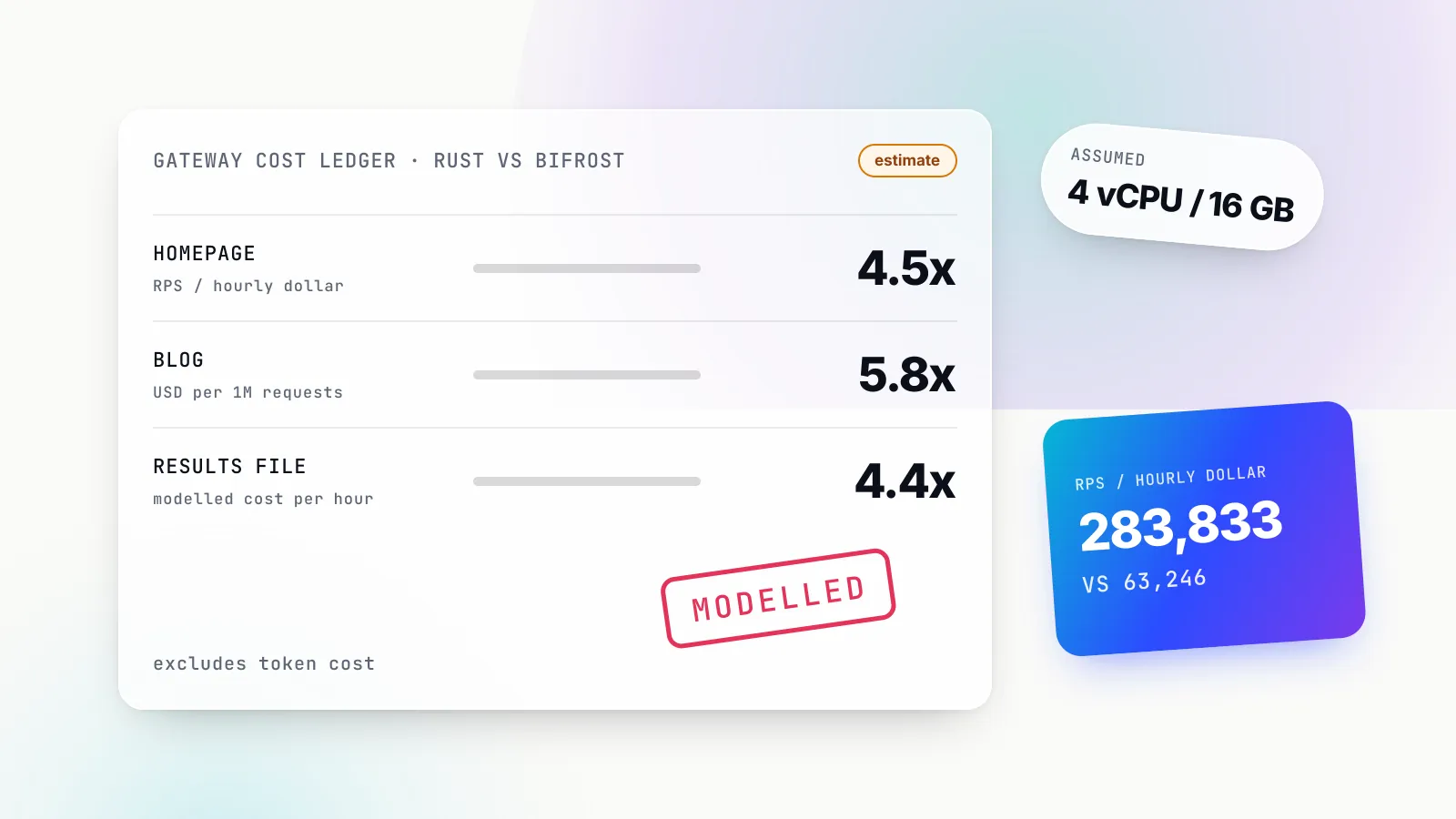
The '4.5x more requests per dollar' claim is a model, not a measurement
LiteLLM cost claims for its Rust gateway rest on an assumed 4 vCPU / 16 GB instance. What the 4.5x, 5.8x and 4.4x ratios measure, and what is missing.
ToolsExplainer
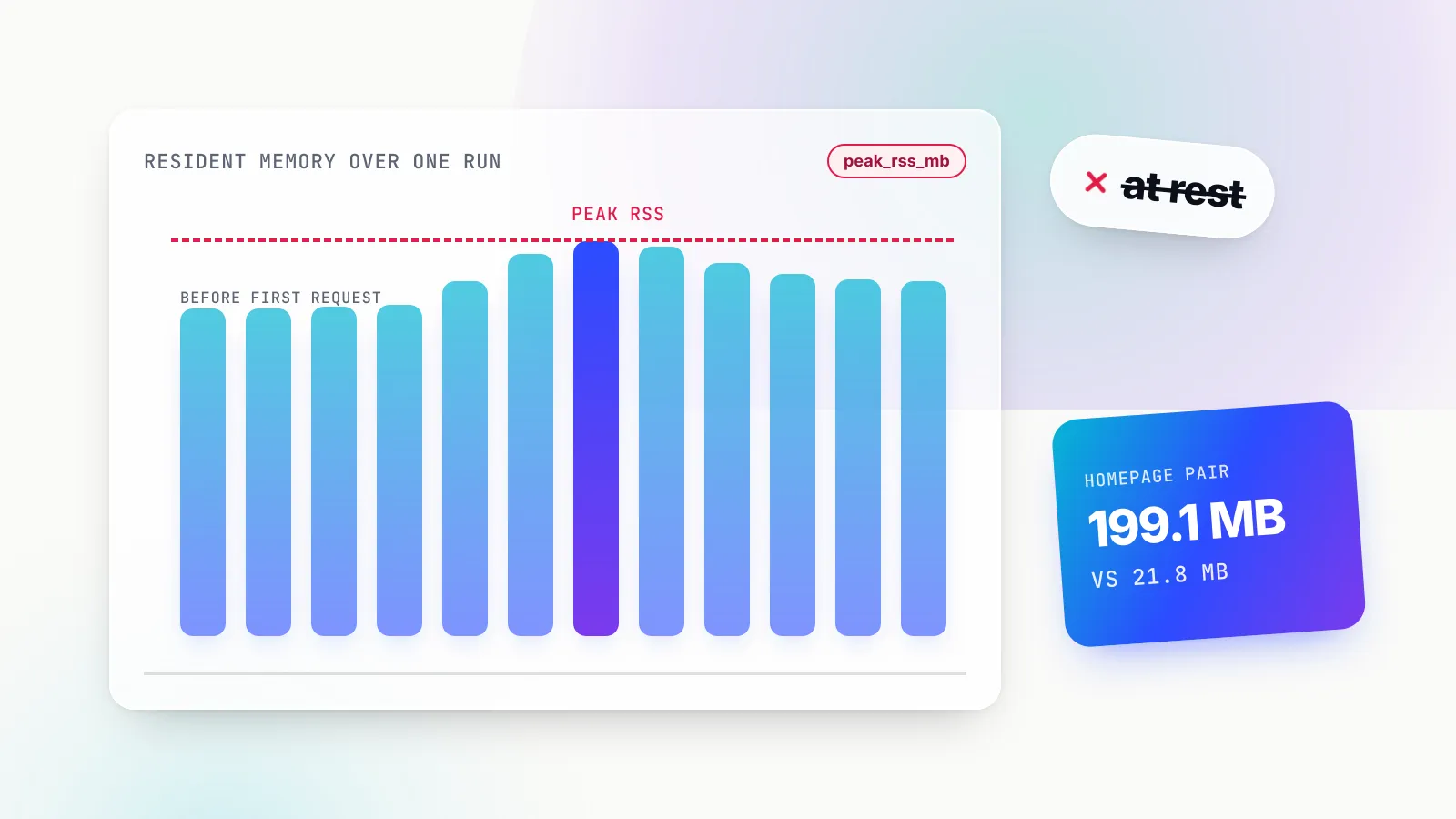
Peak RSS vs memory at rest: reading LiteLLM's '9x less memory' figure
LiteLLM's homepage labels its memory figure 'memory at rest', but the data is peak RSS. What the files show, why Bifrost sat near 282 MB, and how to read RSS.
ToolsComparison
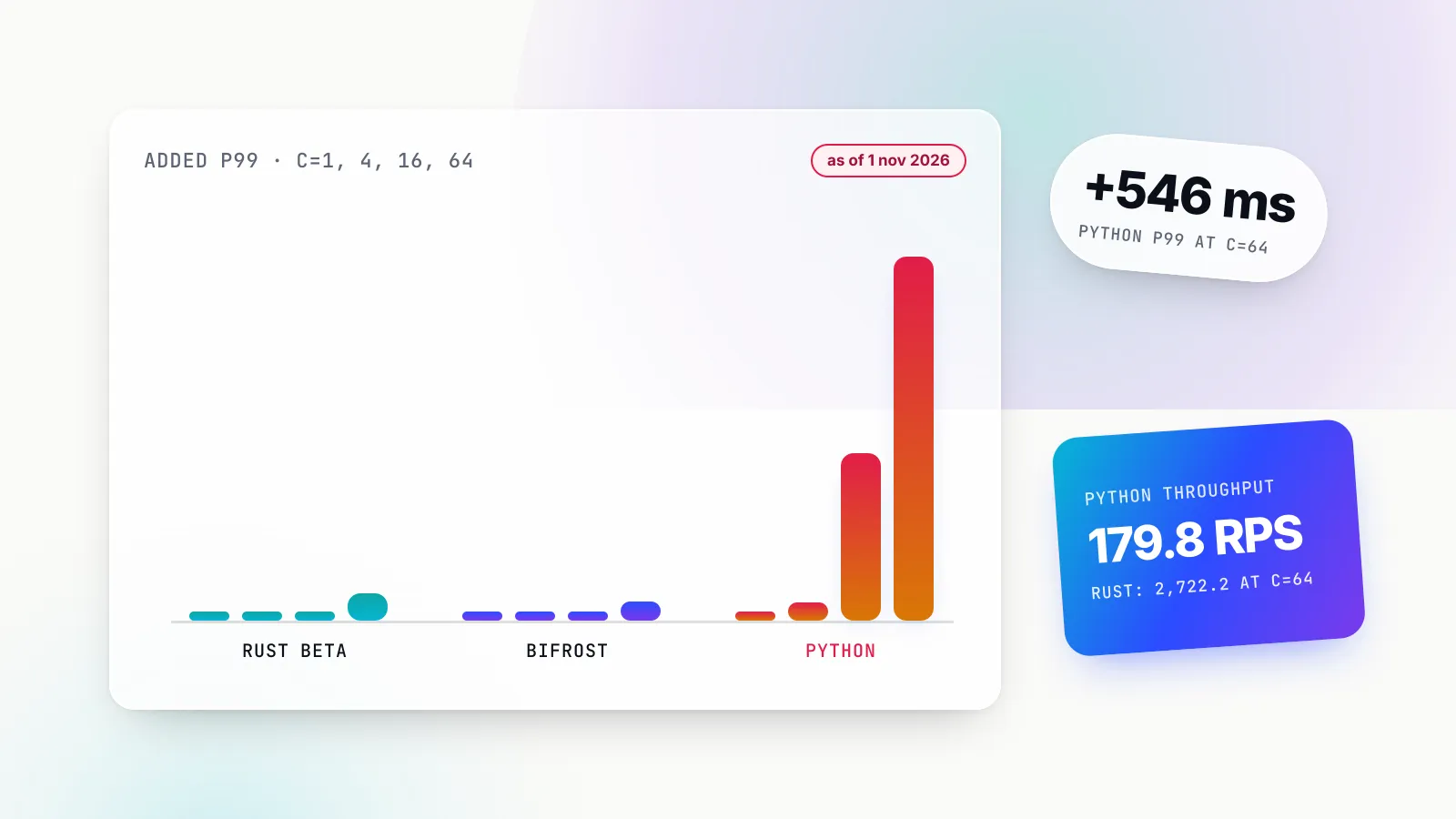
LiteLLM Rust vs LiteLLM Python vs Bifrost: what the data means for teams running LiteLLM today
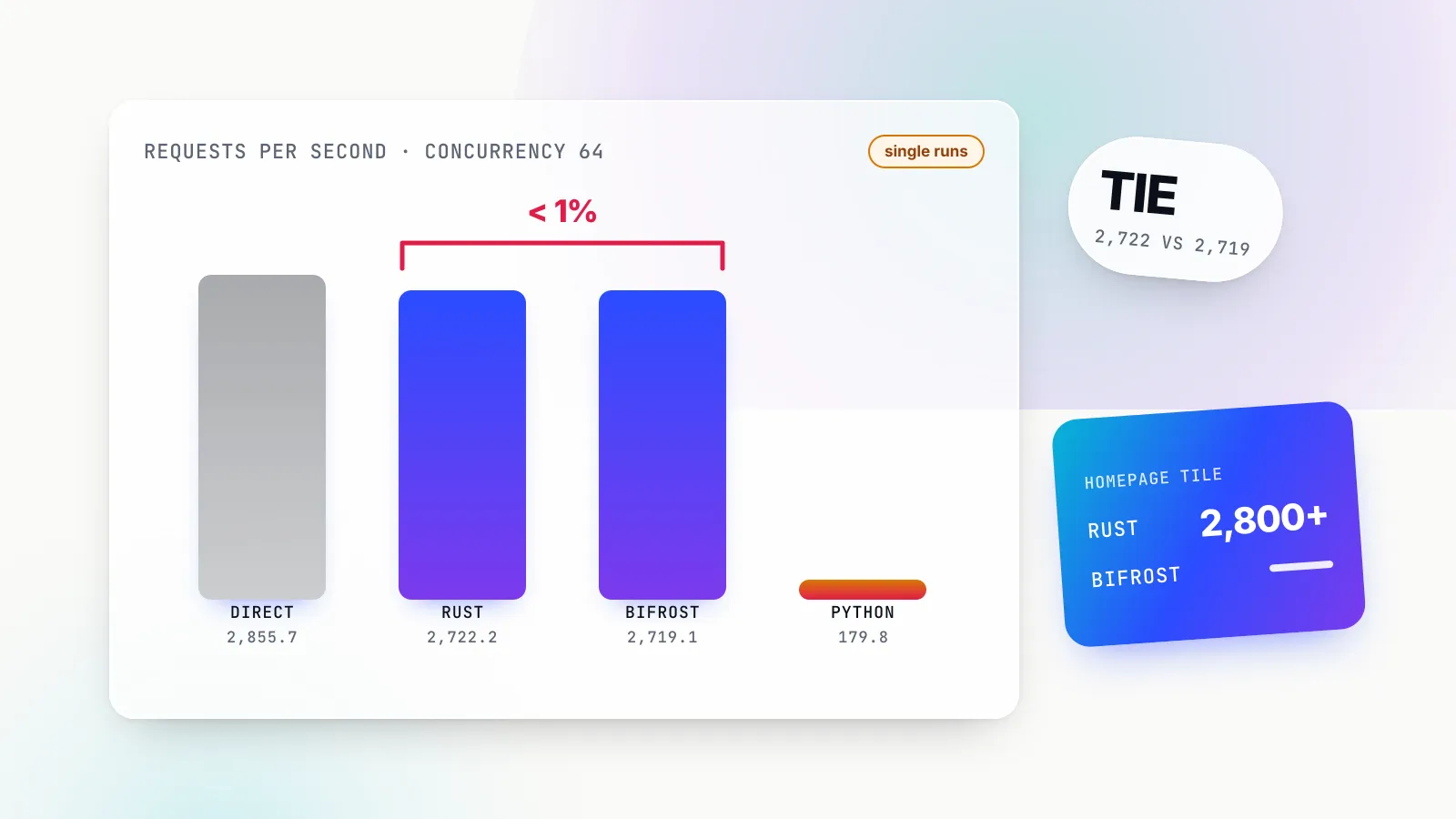
In LiteLLM's own sweep the Python LiteLLM proxy adds 546 ms of p99 at c=64 and serves 179.8 RPS, and main:latest still runs chat routes on Python.
ToolsExplainer
Throughput vs latency: why LiteLLM Rust and Bifrost tie at 2,722 vs 2,719 RPS
Throughput vs latency for LLM gateways: why 2,722 vs 2,719 requests per second is a tie, how RPS and p99 interact, and how to read a throughput tile.
ModelsExplainer
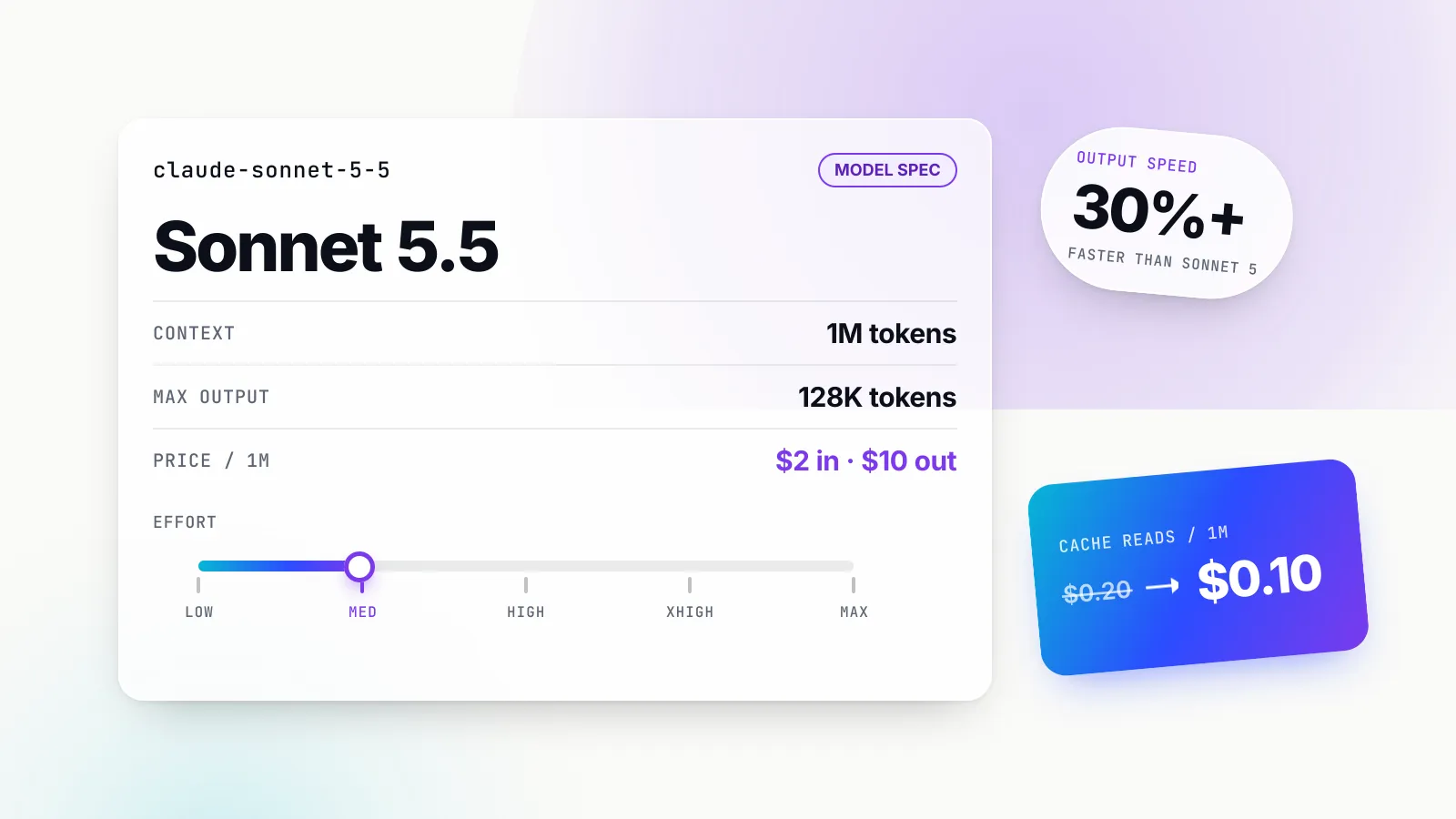
Claude Sonnet 5.5: a practical guide to price, effort, benchmarks and migration
Anthropic's mid-tier model costs $2 in and $10 out per million tokens with a 1M context. What changed from Sonnet 5, when to pick it over Opus 5.5 or Haiku 5.5, and how to migrate.
ModelsComparison
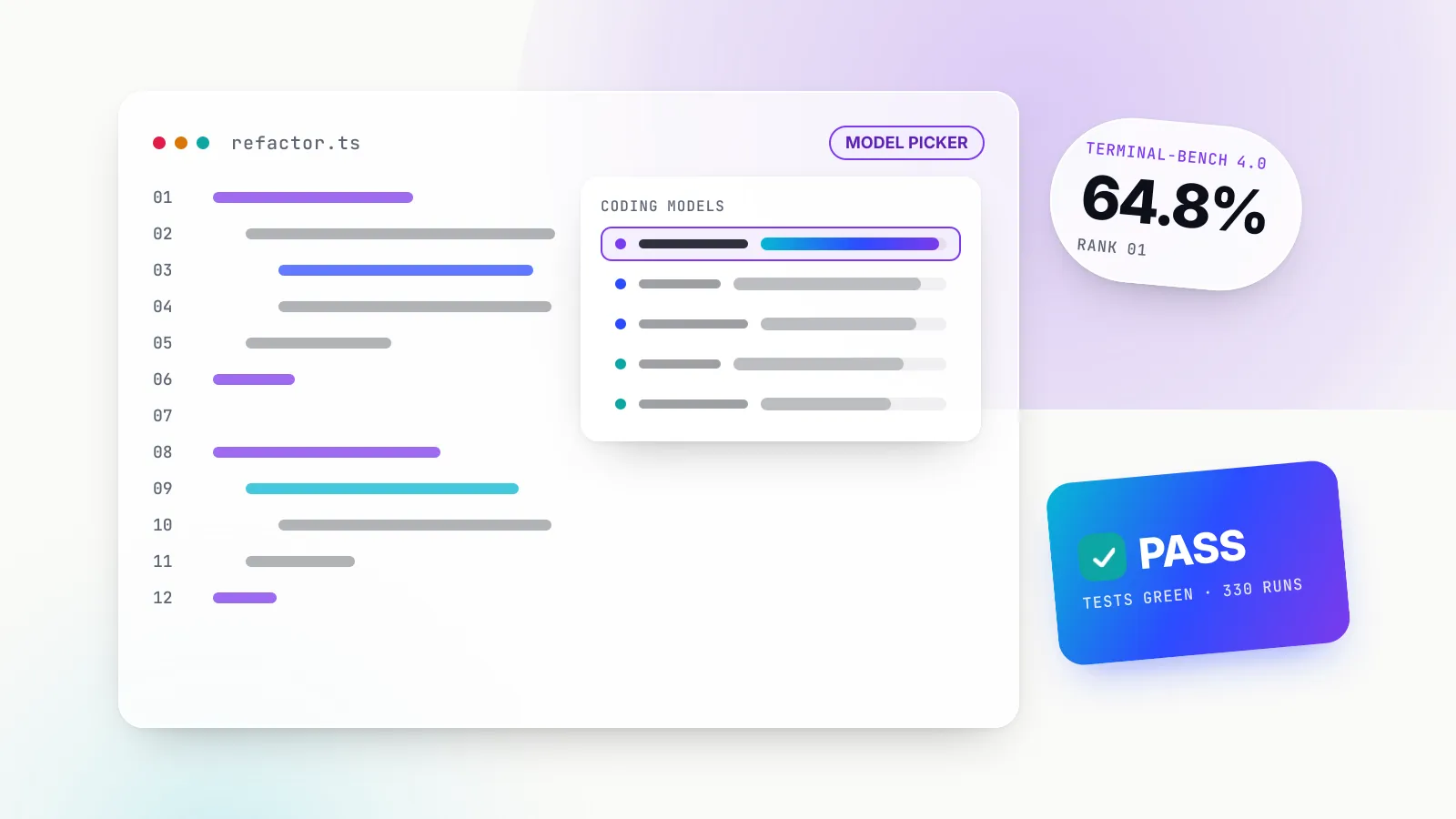
Best LLM for coding in October 2026: ten models ranked on the evidence
Opus 5.5, GPT-6.1 Sol, Gemini 4 Argon and seven more ranked on Terminal-Bench 4.0, DeepSWE and cost per task, with each score's harness and source.
ResearchExplainer
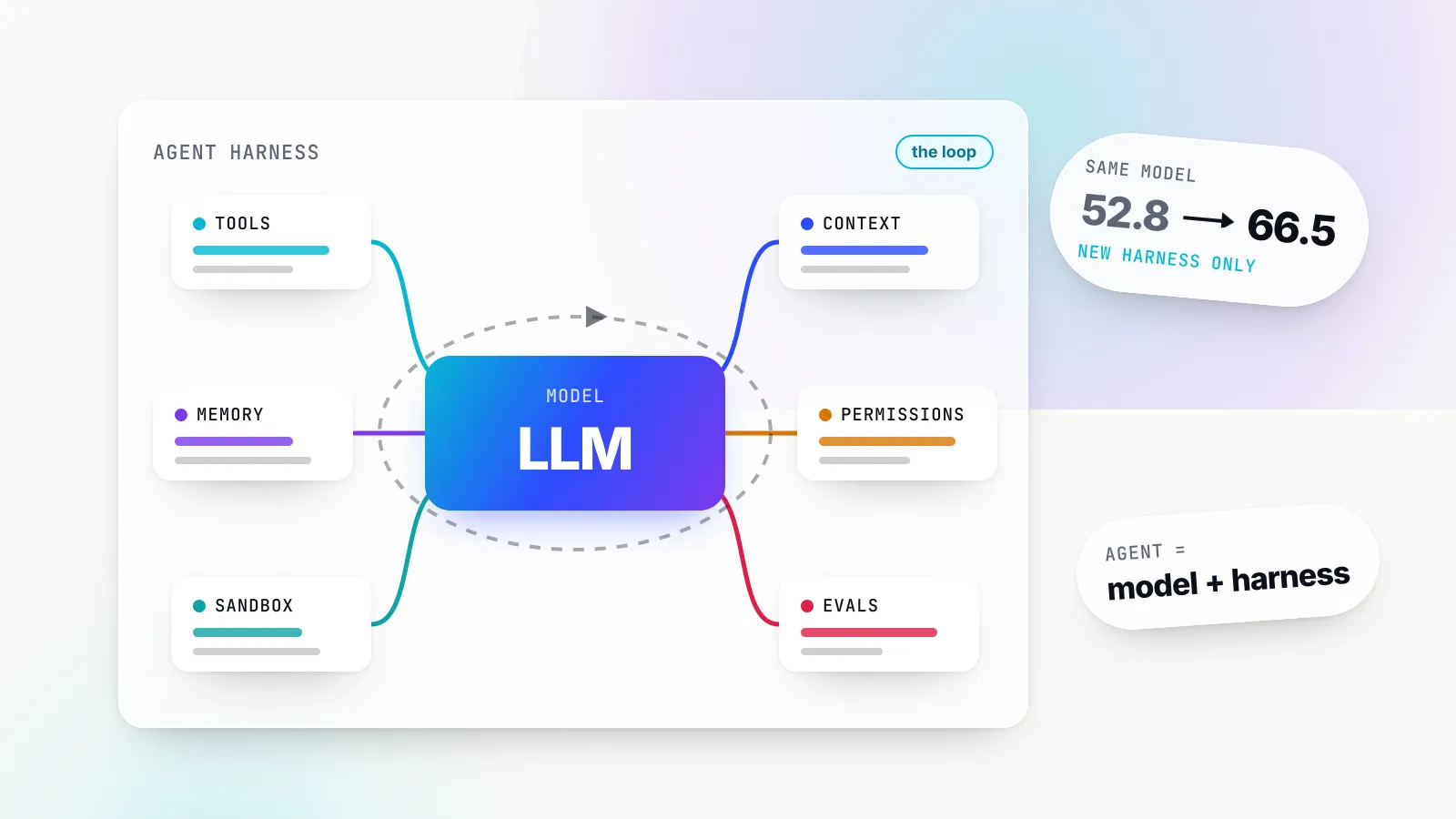
What is an agent harness? The loop, tools and context around the model
An agent harness is everything around the model: the loop, tools, context, memory, permissions and sandbox. Why it moves benchmark scores as much as the model.
ModelsComparison
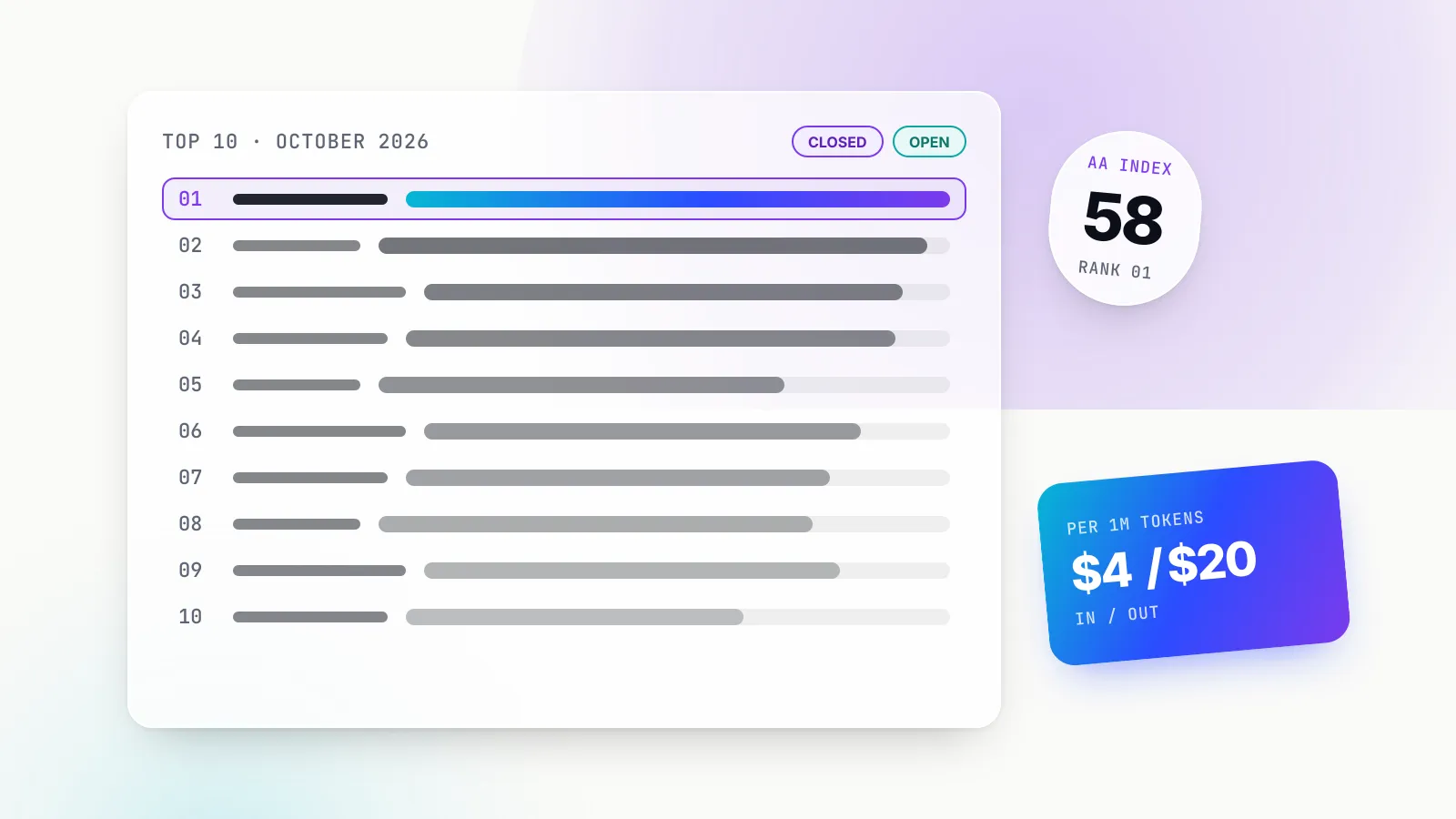
Top 10 AI models in October 2026, ranked by what they are good at
Claude Opus 5.5, GPT-6.1 Sol, Gemini 3.8 Flash, Kimi K3 and six more, ranked on independent evals, coding, context, price and speed, with every figure sourced and dated.
ModelsExplainer
How to read a model card without being fooled: the 2026 field guide
System cards now run past 200 pages. We take five current cards apart section by section, show how one benchmark is reported five different ways, and set out a ten-step reading protocol.
IndustryEditorial
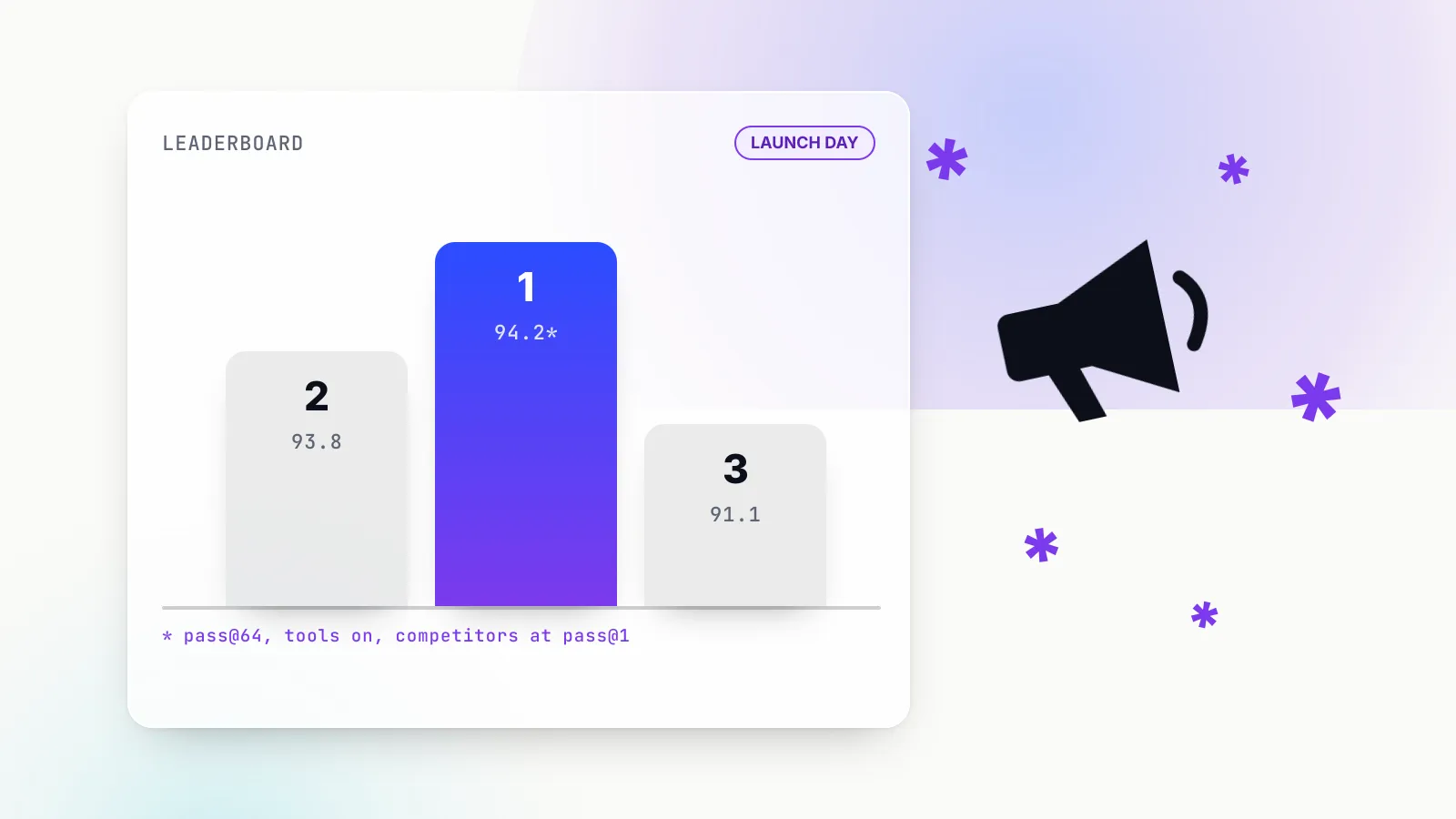
Benchmarks became a marketing channel. Read the footnotes, then run your own
Launch tables report the same benchmark under different attempts, tools and thinking budgets. How measurement became collateral, what independent evaluators find, and how to run your own.